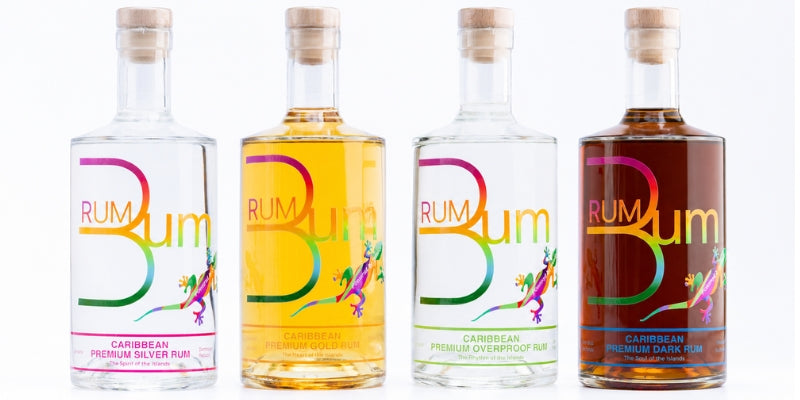

What does rum taste like? I usually explain that it can be bright and fresh, rich and warming, spicy or deeply oaked. Its flavour depends on the raw material, fermentation, distillation, maturation and blending. White rum may show citrus or sugarcane, while aged styles can reveal vanilla, dried fruit and oak.
As a restaurateur and premium rum business owner, I want to share how rum develops its remarkable flavour and why different styles can taste worlds apart. There is far more going on than many people expect, which is exactly what makes the journey so enjoyable.
After more than 30 years of tasting rum around the world as The Original Rum Bum, one of the things I still find most fascinating is that no two rums taste quite the same. Let us take a closer look at how rum tastes and why its flavours can be so distinctive.

What Does Rum Taste Like?
Rum can taste fruity, grassy, creamy, dry or oaky. Some rums open with tropical fruit and freshness, while others lead with vanilla and gentle spice. Fuller styles may bring coffee, cacao, dried fruit or dark sugar to mind.
Sweetness is not always as simple as it seems. A rum may taste sweet because of aromas such as vanilla, caramel and ripe fruit, even when no sugar has been added. That is why it helps to think about the whole experience rather than one flavour in isolation.
A good rum can also change as you spend time with it. The aroma may lead you in one direction before the palate reveals something different. The finish can then bring another layer, which is why I always say rum is best explored slowly.
Key Takeaways
- Rum has no single flavour profile.
- White rum can be fresh and vibrant without being flavourless.
- Colour alone does not reliably reveal a rum’s age, strength or quality.
- Raw material and production choices shape how rum tastes.
- Aroma, texture and finish all form part of the tasting experience.
Rum’s Main Flavour Notes
Many rums show notes reminiscent of vanilla, caramel, toffee or soft brown sugar. These are often among the first flavours people notice, particularly in spirits that have spent time in oak.
Fruit is another important part of rum tasting. Depending on the style, I might find banana or pineapple, perhaps followed by orange peel, mango or raisin.
Then there are the deeper rum tasting notes. Cinnamon, clove, toasted oak and coffee can all appear. Cacao or tobacco may emerge too, especially in fuller styles or rums that have spent longer in cask.

Key Flavour Profiles by Rum Style
A useful way to begin understanding different rum styles is to notice how they look in the glass, then use the aroma and taste to build a fuller picture. Appearance can offer a few early clues, but the real character reveals itself in the nose, texture and finish.
What Does White Rum Taste Like?
White rum is often lighter and fresher in profile, but that does not mean it lacks character. Depending on the production style, its flavour may suggest citrus, coconut, soft vanilla or pepper. Fresh sugarcane notes can appear too.
Some white rums are unaged, while others have spent time in cask before being filtered to remove colour. The best examples still show depth and structure, with freshness balanced by complexity.
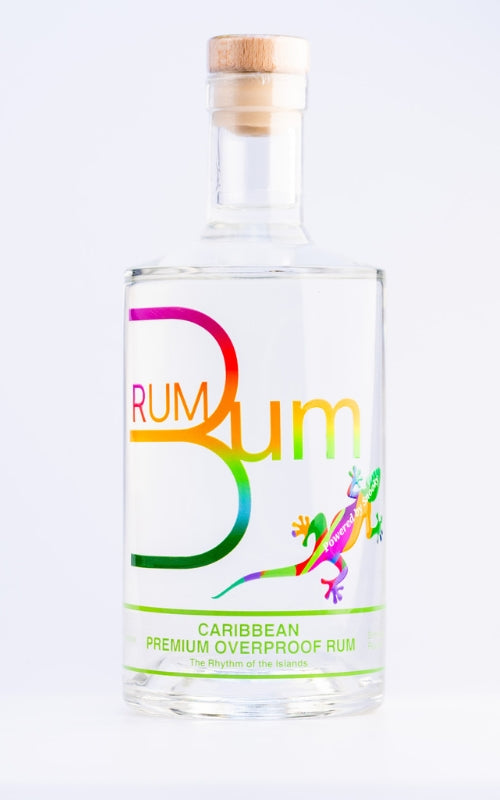
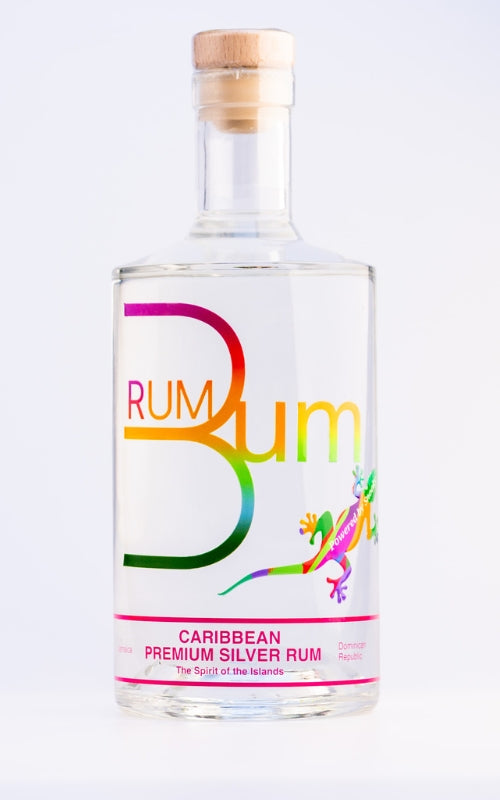
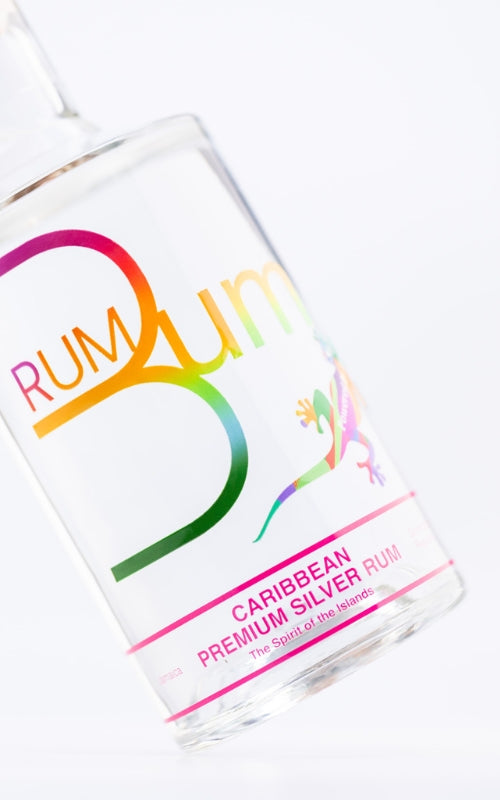
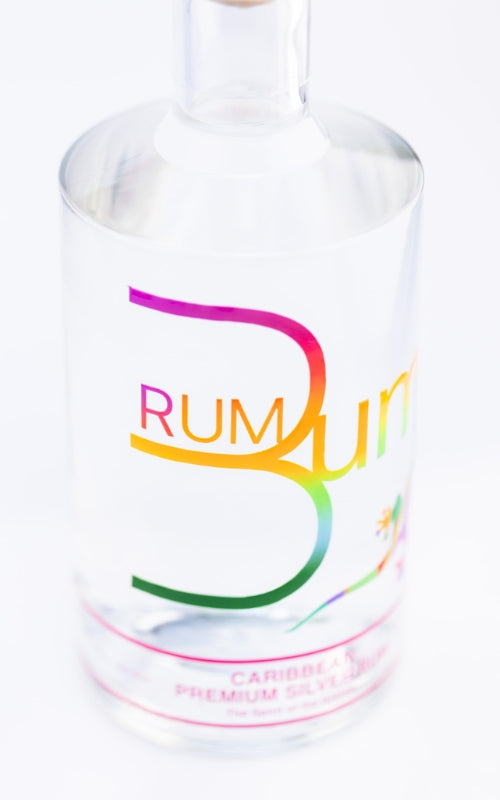
The Original Rum Bum Premium Silver Rum is a useful reference point for exploring white rum flavour. It brings together tropical fruit, toasted coconut and a touch of Jamaican funk while remaining versatile enough to enjoy neat or in a cocktail.

What Does Spiced Rum Taste Like?
Spiced rum is flavoured with spices or botanicals added to a rum base. Vanilla, cinnamon and clove are common, while orange peel or nutmeg may also appear. Some examples are noticeably sweet; others have a drier and more spirit-forward character.
The final spiced rum flavour depends on the base spirit and how the flavouring has been built around it. The label alone cannot tell you exactly how it will taste.
How Does Gold or Amber Rum Differ in Flavour?
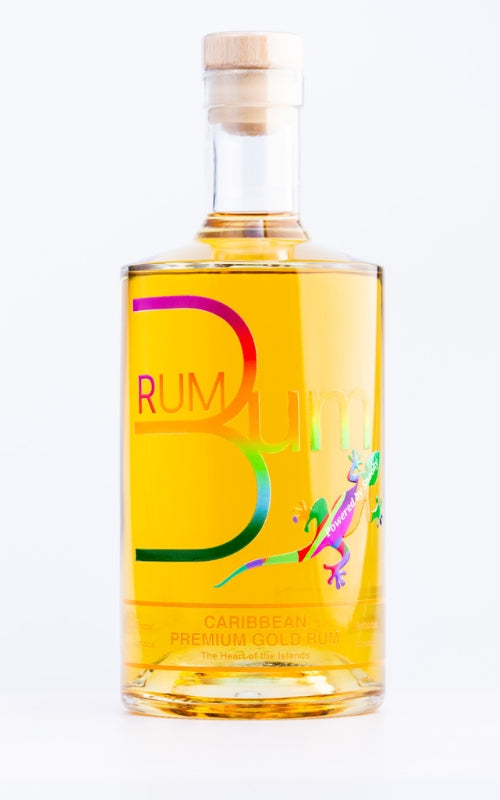
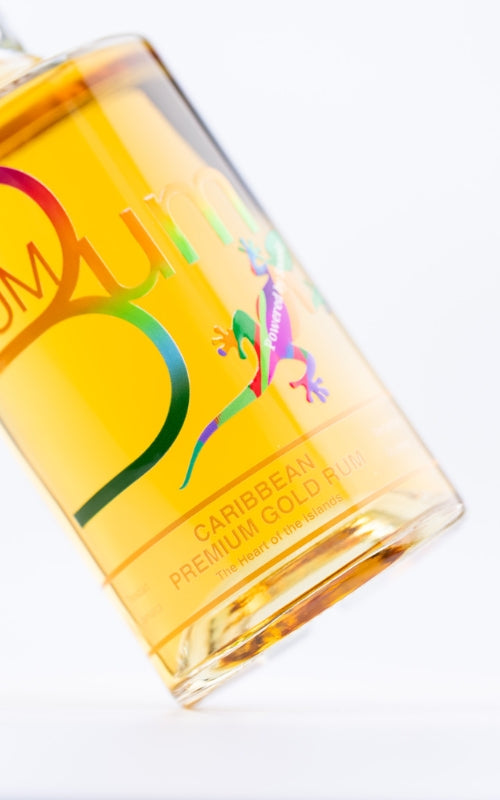
Gold or amber rum often shows more body and warmth, with notes of caramel, gentle oak, roasted nuts or soft spice. It may feel fuller than many white rums without becoming especially heavy.
Colour is not a guarantee of age. It may come from maturation, blending or permitted colouring, so the producer’s information is more useful than appearance alone.

What Does Dark Rum Taste Like?
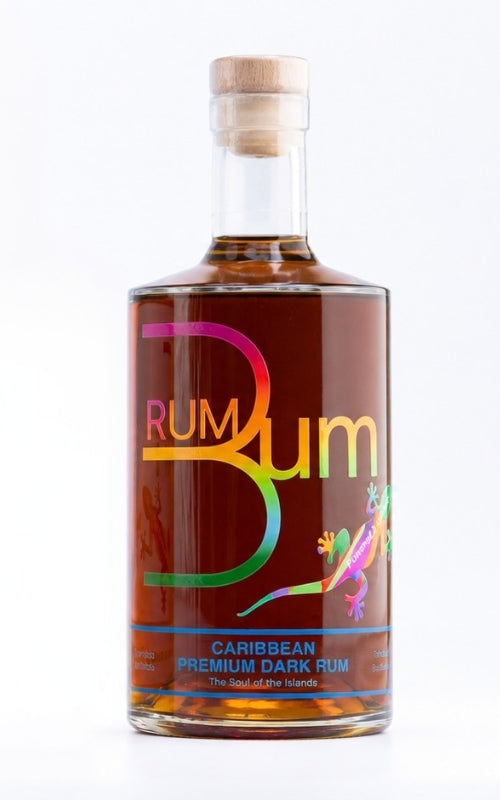
Dark rum may offer deeper flavours such as molasses, treacle, toffee, dried fruit or baking spice. Some examples are rich and rounded, while others are drier or more intense.
Again, darkness does not automatically mean older, stronger or better. The spirit’s production and any colouring used matter far more than the shade in the glass.
Why Does Rhum Agricole Taste So Distinctive?
Rhum agricole is traditionally associated with the French Caribbean and is made from fresh sugarcane juice rather than molasses. It often has a grassy or earthy character, with a more vegetal freshness than many drinkers expect from rum.
I mention it because it shows just how broad the world of rum can be. Even within one category, the starting material can lead the flavour in a very different direction.
Why Rum Tastes Different From Bottle to Bottle
There is no single formula for rum, and that is part of its appeal. It may begin with fresh sugarcane juice, sugarcane syrup or molasses. Fermentation then creates aromas and flavours before distillation shapes the weight and character of the spirit.
Maturation adds another layer. Time in cask influences aroma and depth, while climate affects how the spirit develops. Blending brings different components together and helps create balance or consistency.
For a closer look at this process, explore How Is Rum Made? The Basics of Rum Production.
How Ageing Changes the Taste of Rum
Ageing can change rum dramatically. As the spirit rests in a cask, I often find it becomes rounder and more layered. Fresh edges soften, while the wood may contribute spice, vanilla or toasted notes.
That said, age is not everything. A younger rum can still be elegant and full of character. I would never dismiss white rum simply because it shows less colour.
My guide to rum ageing and blending explains what time in wood can bring to a spirit and why the age statement never tells the whole story.
How I Taste Rum Properly
When I want to understand a rum properly, I take my time. I look at it first and nose it gently. I then take a small sip before returning to the glass, because the second sip often reveals more than the first.
Drinking rum straight is one of the best ways to understand its flavour and texture. If you would like to try it yourself, follow my complete guide to how to drink rum straight.

Which Rum Bum Style Might Suit Your Palate?
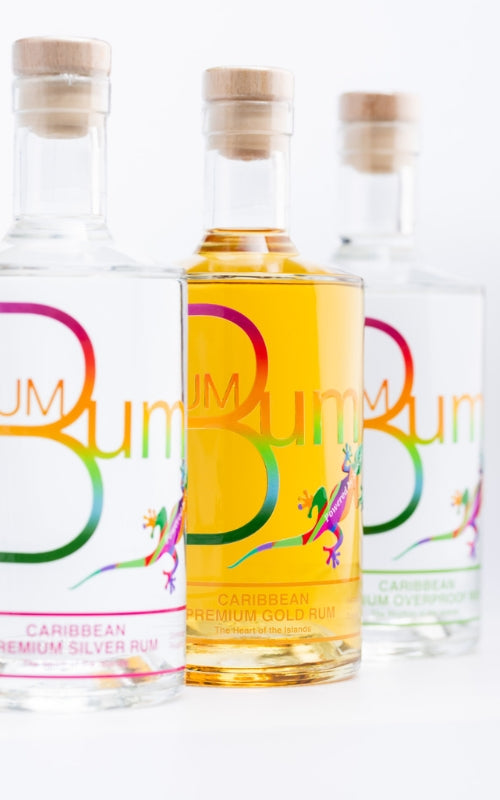
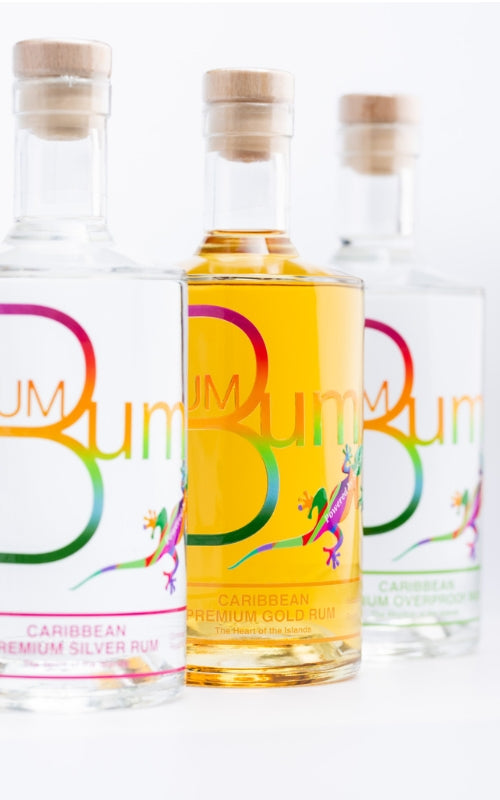
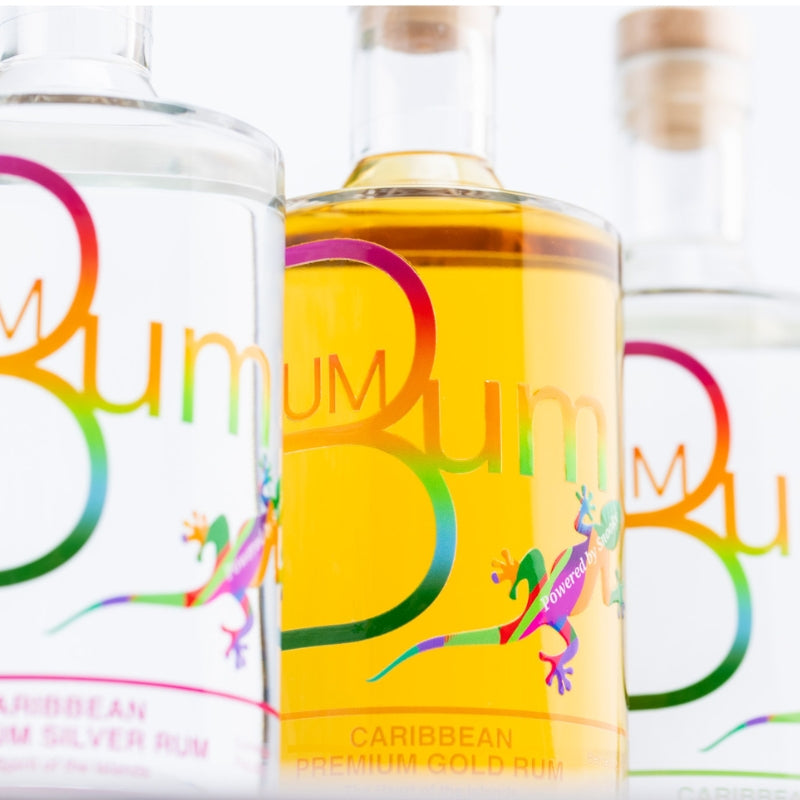
If you enjoy a brighter and fresher profile, The Original Rum Bum Premium Silver Rum is a natural place to begin. Those drawn to warmer caramel, oak and dried-fruit notes may prefer Gold. For a bolder experience, Overproof brings robust cane character with ripe tropical fruit.
You can compare The Original Rum Bum core range below and choose the flavour profile that sounds most like you.
My Final Thoughts on Rum and Its Flavour
I have been tasting rum around the world for more than 30 years, and what keeps drawing me back is that it always has more to give. I have lived and worked in the Caribbean and still return often, so for me rum is tied to flavour and place, as well as the people behind it.
Rum rewards attention. It might be bright and fresh, rich and warming or full of unexpected character. Give it a little time in the glass, trust your own palate and enjoy discovering what is there.
Let me know what you discover over on Instagram.
Cheers!