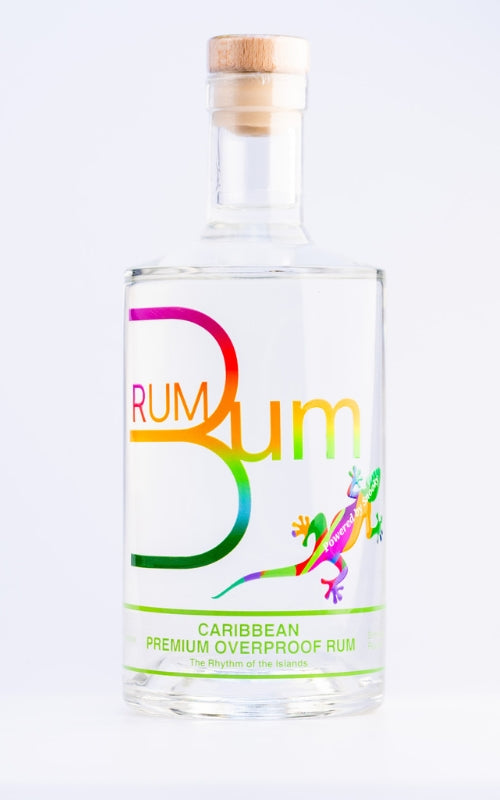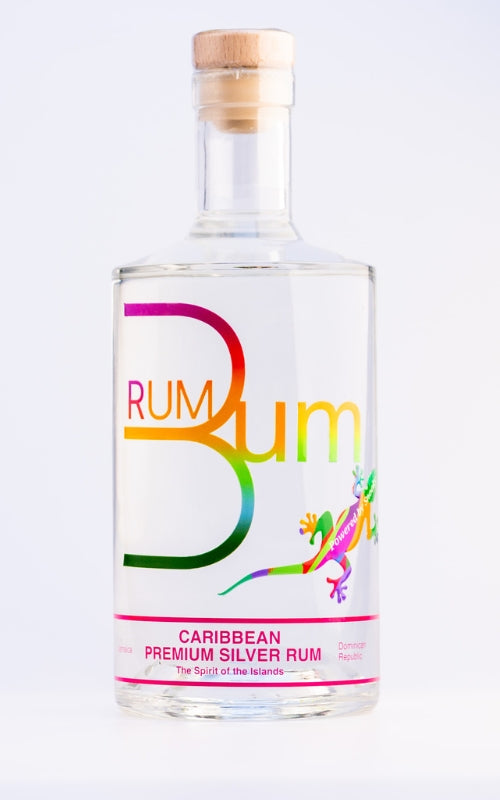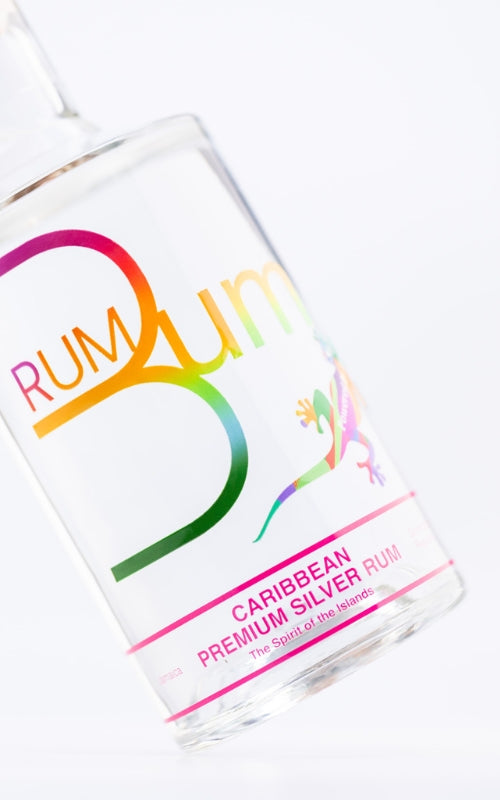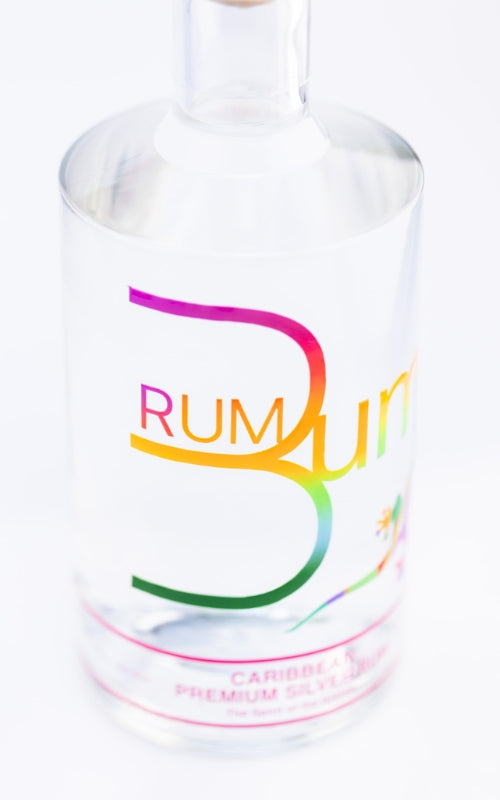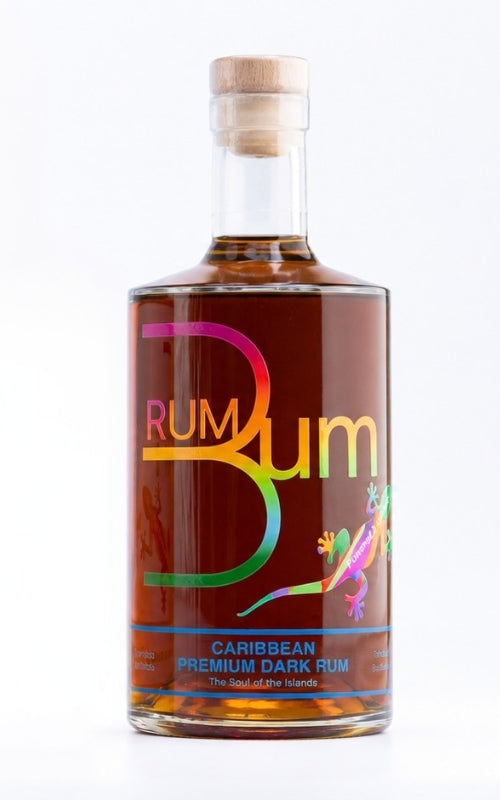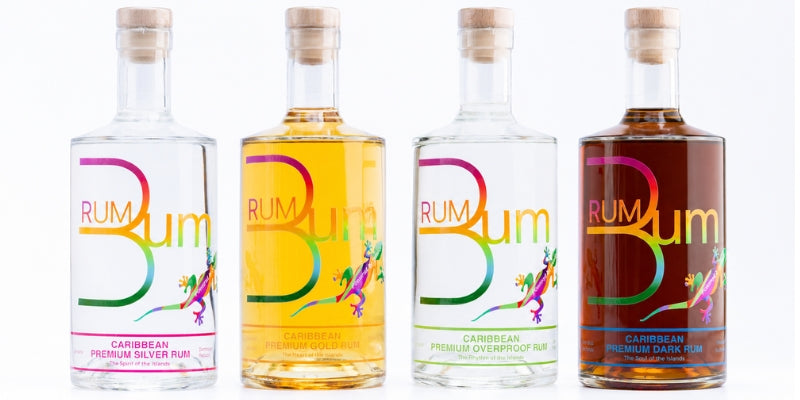

Two essential stages in making premium rum are ageing and blending. As a former restaurateur and award-winning cookbook author, I explored every part of that process when I created my first premium white blended rum, Rum Bum No.1 Signature Rum. That limited release is now sold out, but its development gave me a reason to look closely at the decisions behind ageing and blending.
If you would like to step back and start with the foundations, read How Is Rum Made: The Basics of Rum Production.
If you are ready to move on, we can look more closely at ageing and blending. Rum, for me, is not only about technique. It is also about the culture around it and the people who make it. Then there are the moments you share when you pour a glass with friends.
I draw on what I learned while living and working in the Caribbean and share it in a way that stays clear, focused and easy to follow.
Key Takeaways About Rum Ageing and Blending
- What is rum ageing?
Rum ageing is the time a spirit spends resting in a wooden cask. Contact with the wood can change its colour and aroma, while the climate influences how the flavour develops. - Is white rum aged?
White rum can be unaged or aged. Some aged white rums are filtered through activated charcoal to reduce the colour gained from the cask. - Does rum get better with age in the bottle?
Rum does not continue to mature once it has been bottled. Its flavour is preserved rather than developing as it would in a cask. - What is the difference between aged rum and dark rum?
Aged rum has spent time in wood. Dark rum describes appearance and style, but its colour alone does not tell you how long it was aged. - What is rum blending?
Rum blending brings selected rums together to create a particular flavour profile and maintain consistency from one batch to the next.
If you have a little more time and a rum in your hand, please read on for a closer look at the ageing of rum and the art of blending.
Rum Ageing: Unlocking the Basics
Freshly distilled spirits should excite the senses and reveal something of what they are and where they come from.
A well-made rum does not have to be aged to be enjoyable. However, time in a wooden cask can transform the spirit as it interacts with the wood and the air that passes through it. Ageing is not simply a matter of filling a cask and leaving it alone. The choice of cask matters, as do the storage conditions and the judgement of the people overseeing it.
Is White Rum Aged?
This is a question I am often asked. White rum can be unaged, although some examples spend time in wood before being filtered to reduce the colour picked up from the cask. Activated charcoal can remove colour and alter some flavour compounds, leaving a clear spirit whilst retaining selected characteristics from maturation. There is no single ageing period that applies to every white rum.
Congeners and the Science of Rum Ageing
Congeners are flavour and aroma compounds found alongside ethanol in a spirit. Many begin during fermentation and distillation, while others are extracted from the cask or develop through reactions during maturation.
As rum rests in wood, compounds move from the cask into the spirit. Oxidation and ester formation also change the balance over time, alongside evaporation from the barrel. Some notes soften while others become more pronounced, helping to build the character of an aged rum.
Casks, Climate and the Character of Aged Rum
The length of ageing matters, but it is only one part of the picture. The type and size of the cask influence the result, as does its previous use. Temperature and humidity affect how the spirit develops, while the warehouse conditions influence how much is lost through evaporation.
Rum can be matured in new oak or in casks that previously held another drink. Ex-bourbon casks are widely used, while fortified-wine casks offer other possibilities. Toasting or charring the wood changes the compounds available to the spirit and can influence its colour and flavour. Rum may spend a relatively short time in wood or remain there for many years, depending on the style the producer is working towards.
A skilled cellar team must decide when a rum has reached the right point. Science helps explain what is happening, but experience and careful tasting remain essential.
 Canouan Queen and Snooky’s Mustique Sunset, from A Rum Lover’s Journal.
Does Rum Get Better with Age?
Rum does not continue to mature once it has been bottled because it is no longer interacting with a wooden cask. If the bottle remains properly sealed and is stored away from excessive heat or direct sunlight, its established character should remain broadly stable.
What Is the Difference Between Aged Rum and Dark Rum?
Aged rum has spent a stated or known period in a wooden cask. Dark rum is a broader style description based largely on appearance. Its colour may come from time in wood, the way the cask was treated or caramel used to adjust colour. A dark appearance is therefore not a reliable indication of age on its own.

Who’s Going Nuts? and Rum Manhattan, from A Rum Lover’s Journal.
Rum Blending: From Aged Rum to Final Spirit
Rum ageing is the stage when spirit rests in wooden casks, allowing time and its surroundings to shape the flavour before it is ready to blend or bottle.
When maturation is complete, a rum may be released from a single cask. Many rums, however, are brought together with spirit from other casks before bottling.
This is where the blending journey begins. A master blender may combine rums of different ages or production styles to reach a particular result. Those components can come from different casks and distilleries, sometimes even from different countries.
No two casks develop in exactly the same way. The blender must understand how each component contributes and how the parts will work together. The aim may be to create consistency between batches or build a new flavour profile with greater balance and depth.
It starts with a clear idea of the style you want to create, followed by careful tasting and adjustment until the blend is ready.

Final Thoughts on Rum Ageing and Blending
I’m glad you have stayed with me to learn more about the fascinating art of ageing and blending rum.
If you would like to go back to the beginning of this fine spirit, read The Origins of Rum: A Caribbean Spirit.
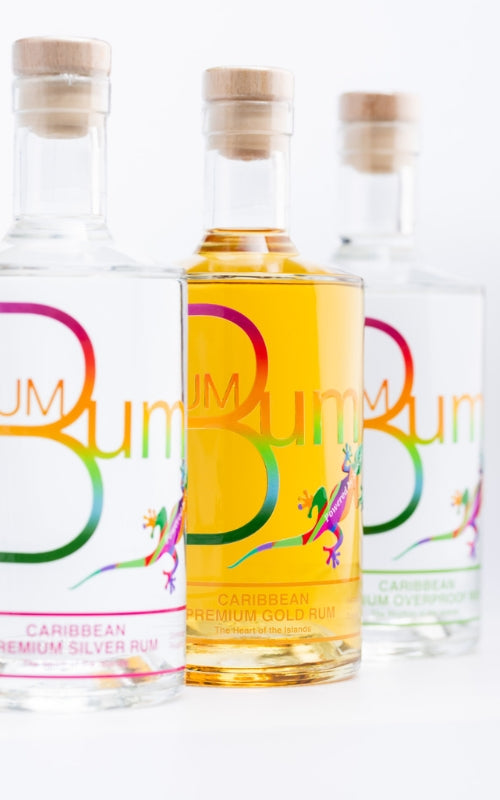
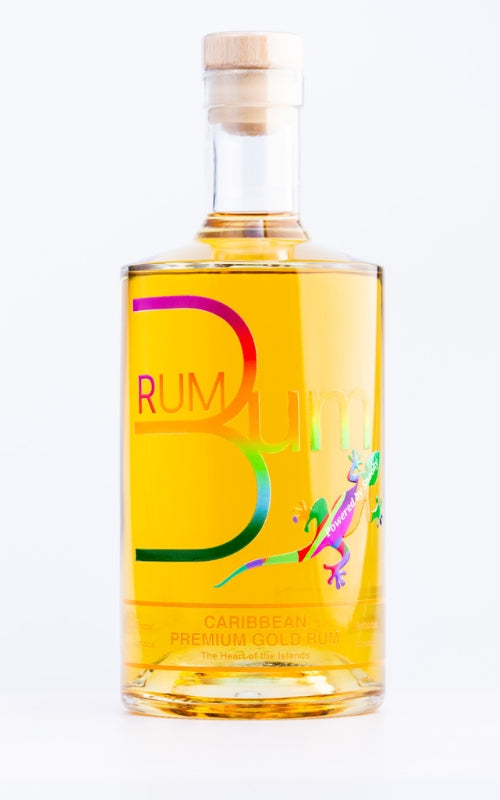
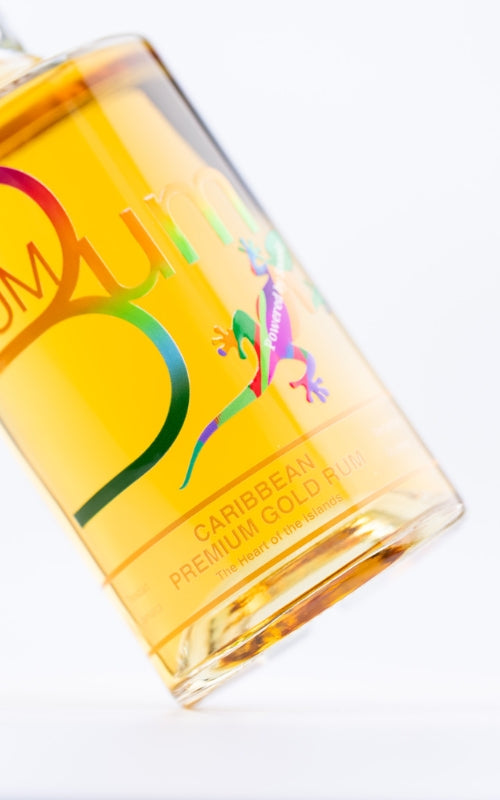
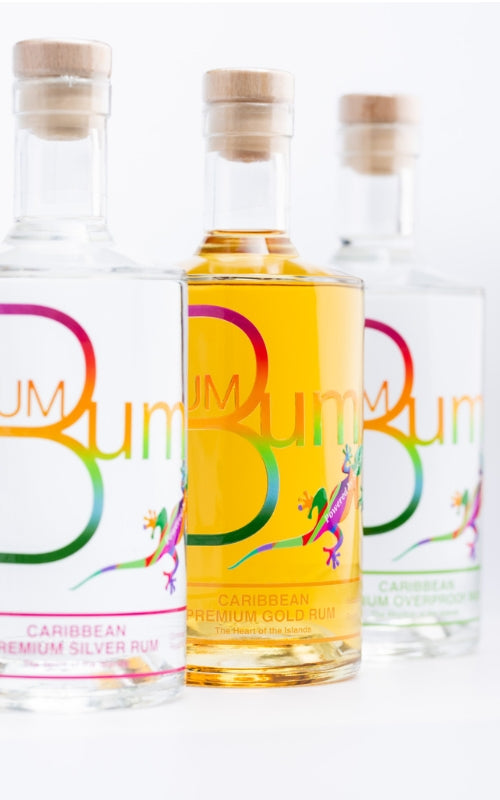
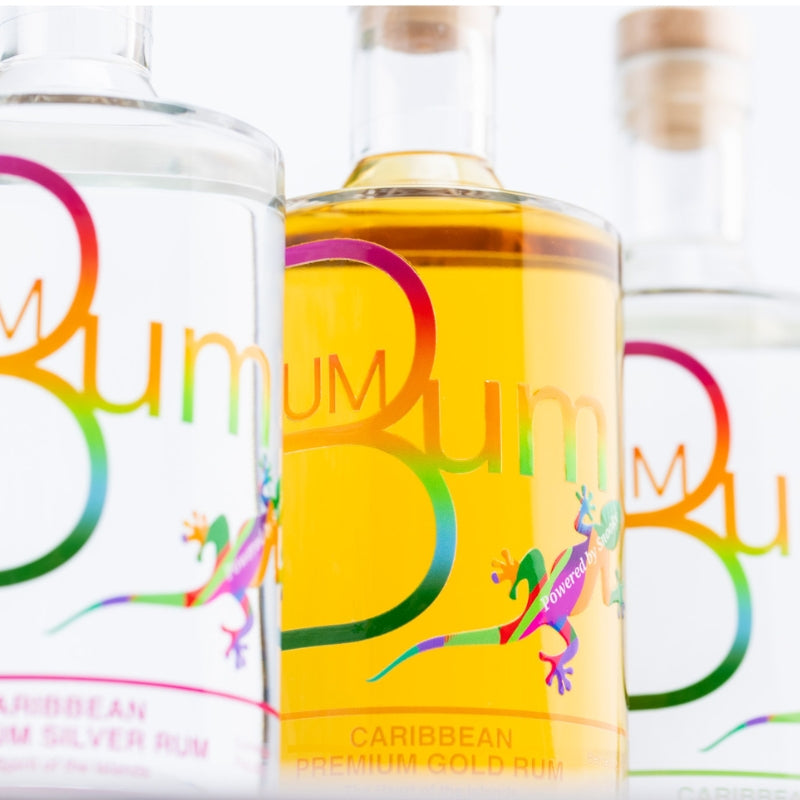
Rum Bum No.1 Signature Rum was limited to 250 bottles and is now nearly sold out. If you are too late, you can explore the current Rum Bum premium range below and discover more rum stories across the site.
Cheers! Here’s to the art of living well!
Snooky