
Same spirit, different stories
A good white rum should be clean, bright and mixable, but it should never be short of character. I believe great rum should taste like where it came from, even when it pours crystal clear. The sugarcane should still be allowed to speak, with the place behind it.
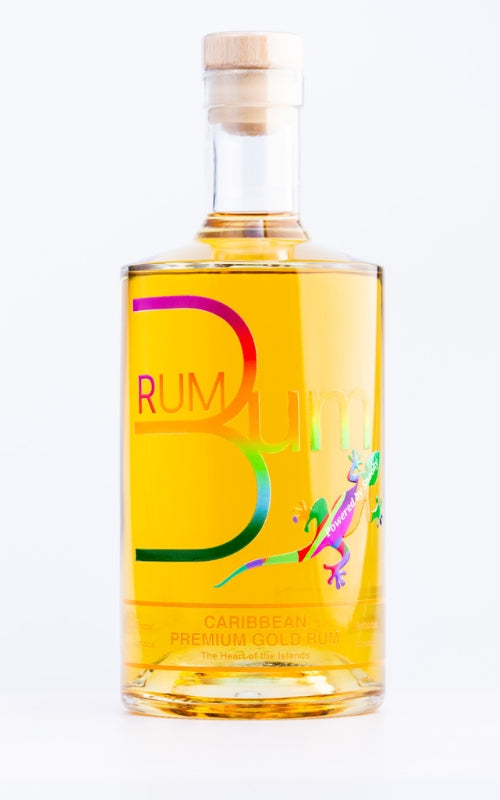
I’m Kevin “Snooky” Snook, founder of The Original Rum Bum®. My own understanding of Caribbean rum began many years ago. It grew through 25 years of living and working in the Caribbean hospitality industry, including my time as a chef in St Lucia and Mustique. That experience later shaped the work of creating my own premium Caribbean blends.
Over those years, I have tasted plenty of white rum brands and learnt that clear certainly does not mean characterless. The interesting part is found in the tiny nuances: the sugarcane base, where the rum comes from and how it has been made. Time in a barrel can add another layer. That is why one clear rum can taste completely different from the next.
White Rum vs Silver Rum: Is There Really a Difference?
Technically, not really. White rum and silver rum are generally two names for the same broad style of clear rum. The difference is largely in the name and the way brands use it to help their bottle stand out in a crowded marketplace.
The formal definition of rum sets rules around how the spirit must be produced, but it does not establish “white” and “silver” as separate categories. You can read the full definition in the EU spirit drinks regulation.
Some brands use “white” for a light, bright rum made with cocktails in mind. Others use “silver” to suggest a clean or more refined style. These are useful clues, but neither term guarantees that the rum has been aged longer or made to a higher standard.
In simple terms:
- White and silver usually describe the same broad style of rum.
- Either may be unaged or aged and then filtered.
- A clear colour does not reveal the age or the type of still used.
- “Silver” is not an official quality grade.

How Are White Rum and Silver Rum Made?
White and silver rums all begin with sugarcane, although not always in the same form. Some are made from molasses, while others begin with fresh sugarcane juice. Sugarcane syrup may also be used.
Fermentation creates an alcoholic wash, which is then distilled. A producer may use a traditional pot still or a modern column still. Some white rum brands combine spirits made using both methods.
Certain white rums are bottled without ageing. Others may be rested or spend several years in oak. If the rum has picked up colour from the barrel, it can be charcoal filtered to remove much of that colour. Filtration can also soften some of the heavier edges while allowing the rum to remain crystal clear.
Not every white rum is aged, and not every one is charcoal filtered. The style can include fresh, unaged spirits as well as aged rums that have been filtered back to clear.
This is why the old “clear equals unaged” rule does not always work. Flor de Caña Extra Seco, one of my choices below, is aged for four years in American white oak and still pours completely transparent.
The point is not always to taste the wood. For many white and silver rums, the aim is to keep the spirit clean and bright while allowing a little extra depth to come through. That makes them brilliantly mixable without losing their own identity.
If you want the whole process from cane to glass, have a read of my guide to how rum is made. I have also written more about rum ageing and blending, including the role filtration can play in white rum.

Why White Rum Brands Can Taste Completely Different
Even when two rums look almost identical in the glass, they can taste miles apart. Fermentation time and yeast both leave their mark. The still, maturation and blending choices also shape what eventually reaches your glass.
Place of origin matters too, although these characteristics should be treated as useful clues rather than strict rules.
- Jamaican rum can bring ripe banana and tropical fruit, often followed by that unmistakable ester-rich funk.
- Barbadian rum is often associated with balance, while aged components may add softer oak or rounded vanilla notes.
- French Caribbean rhum agricole, made from fresh sugarcane juice, can taste grassy and vegetal with a fresher cane character.
- Multi-island blends can bring lighter and fuller rum styles together, building more complexity for cocktails.
These different nuances can change your cocktail completely. A clean column-still rum may allow the lime and sugar to lead, while a pot-still rum can push fruit and funk right to the front.
Neither approach is automatically better. It depends on the drink you are making and, most importantly, the flavours you enjoy.

Six Really Good White Rum Brands Worth Trying
These are six white and silver rums I rate from my plenty of years rum tasting, and each one shows how varied the category can be. I have chosen them for their origin and production, but mainly for what ends up in your glass.
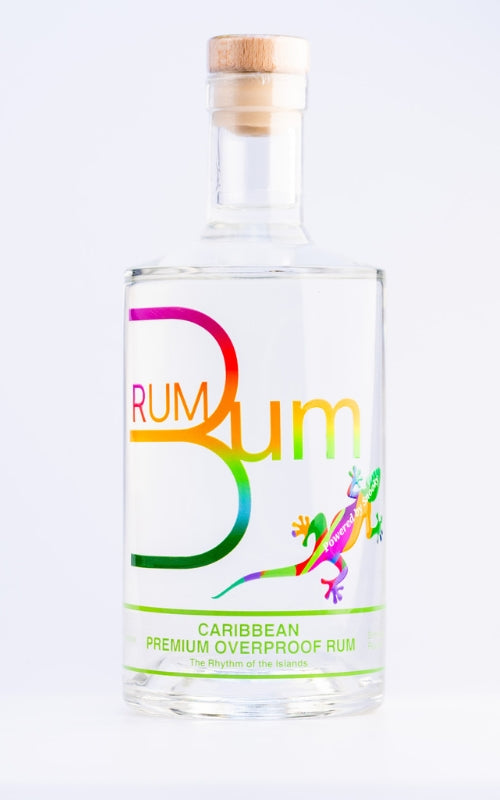
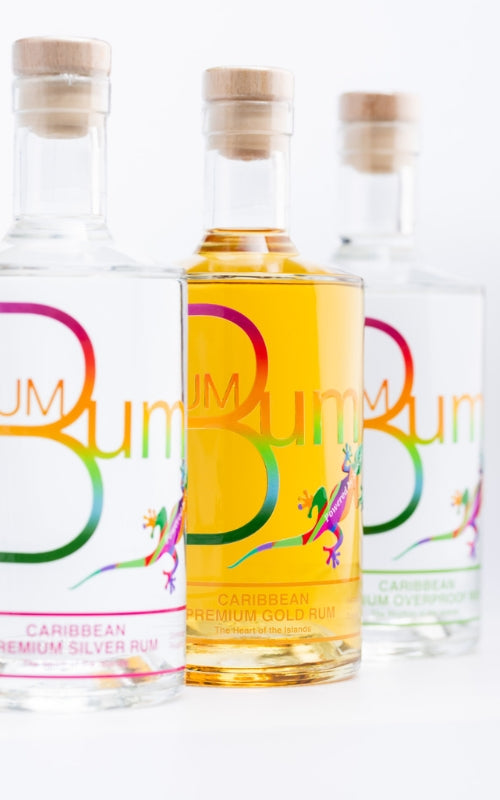
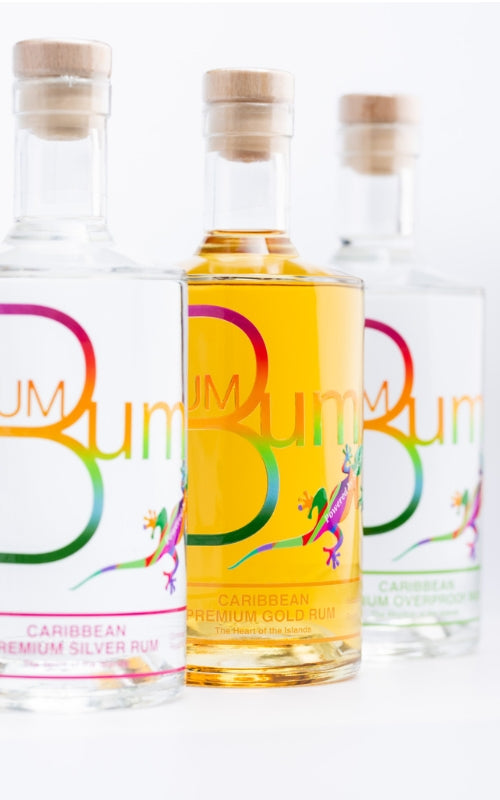
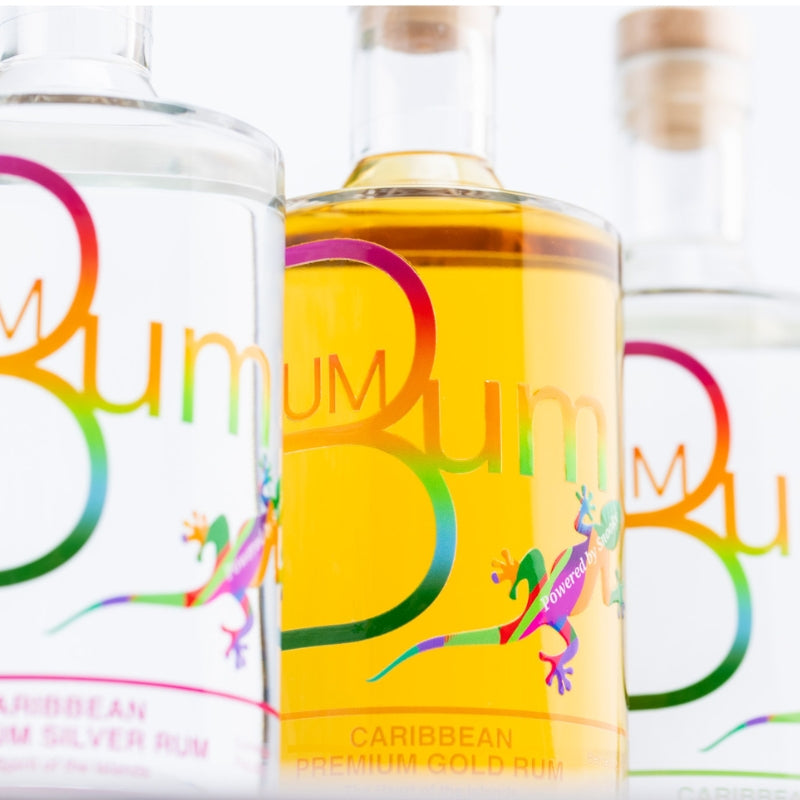
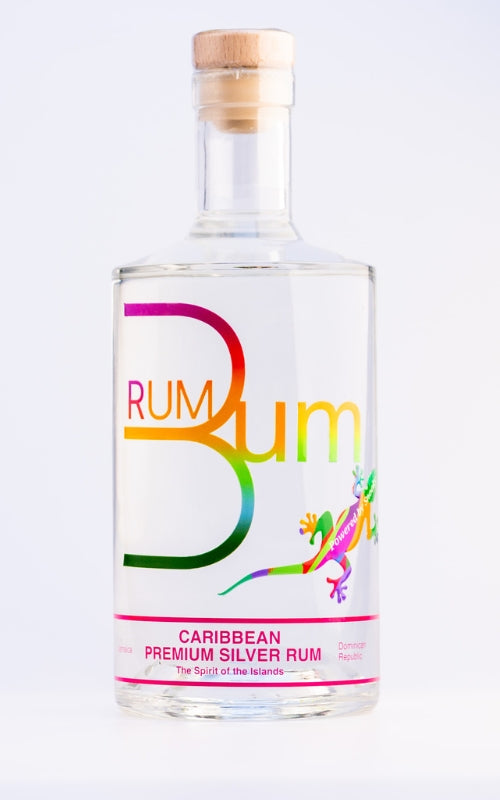
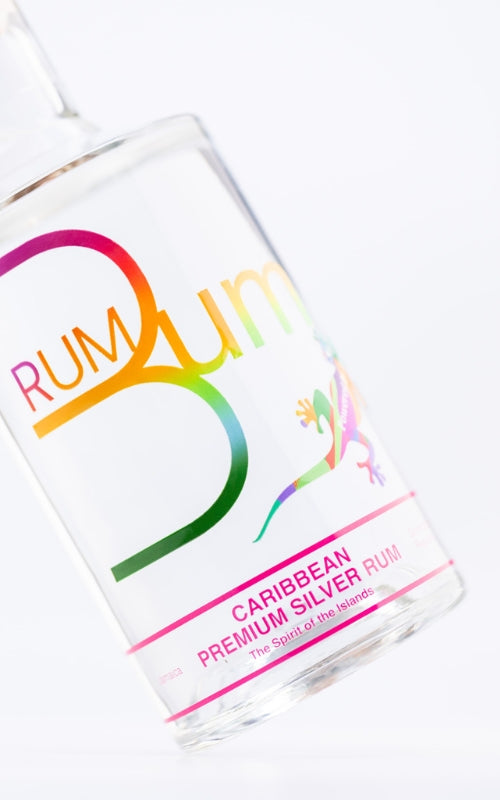
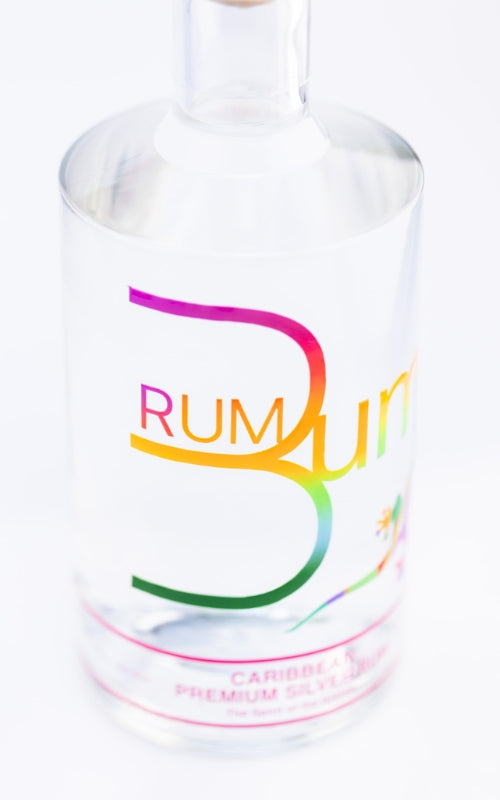
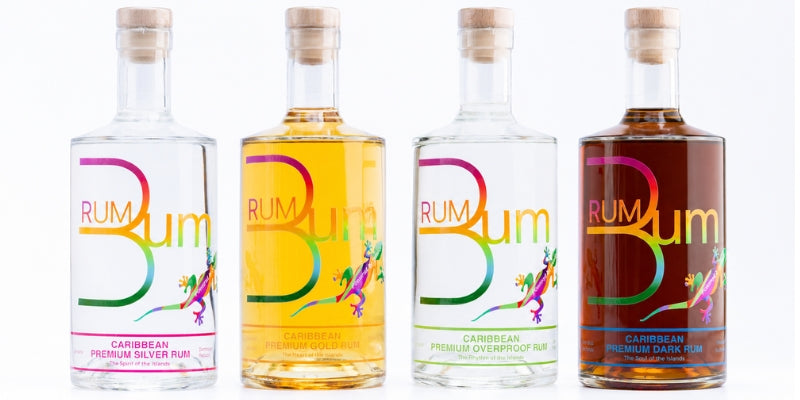
1 Rum Bum Caribbean Premium Silver Rum
Jamaica and the Dominican Republic | 37.5% ABV
I created Rum Bum Caribbean Premium Silver Rum with a connection to our limited-edition No.1 Signature Blend. It uses rum from the same two Caribbean origins, but with a modified ratio: a three-year-aged Jamaican rum blended with unaged rum from the Dominican Republic.
That little bit of ageing gives the blend more complexity and character. We then charcoal filter it to remove the colour and soften the harsher edges, leaving a crisp and refreshing silver rum. It is tropically matured, with no added sugar or caramel colouring.
The nose brings ripe pineapple and green banana, with gentle citrus behind them. On the palate, there is tropical fruit, toasted coconut and spice, followed by a touch of Jamaican funk. This is the bottle I reach for when I want a proper Daiquiri. Yum!
The blend also follows in the footsteps of our now award-winning Rum Bum No.1 Signature white rum, which has now received multiple awards from notable spirit bodies, such as The World Rum Awards and Gold at the European Spirits Challenge

2 Worthy Park Silver
Jamaica | 40% ABV
Worthy Park Silver is an unaged Jamaican rum made entirely in pot stills. It is a blend of three marks from Worthy Park, so although it is crystal clear, it certainly is not short of flavour.
Expect full Jamaican character with banana, tropical fruit and citrus. There is vanilla in the background and plenty of the funky ester character that makes Jamaican rum so recognisable. It is a cracking example of how an unaged white rum can still have real weight.

3 Legado Organic Fresh Rum
Paraguay | 43% ABV
Legado Organic Fresh Rum comes from a single estate in Paraguay. It is made from organic sugarcane molasses, with slow fermentation followed by copper pot distillation.
This is an unaged rum with a clean opening and plenty of fresh cane character. It shows another side of white rum, shaped by its raw material and pot-still production rather than time in oak.

4 Clairin Communal
Haiti | 43% ABV
Clairin Communal is a blend of traditional clairins from four Haitian communes. The sugarcane is grown using organic and sustainable methods, while wild fermentation and traditional pot stills give the finished spirit its raw, vibrant personality.
It is aromatic and full of fresh cane character, with a rustic edge that works brilliantly in mixed drinks. At 43% ABV, it carries its flavour confidently without becoming all about the heat.

5 Veritas Blended White Rum
Barbados and Jamaica | 47% ABV
Veritas Blended White Rum brings together rum from Foursquare in Barbados and Hampden Estate in Jamaica. The blend includes both unaged rum and a two-year-aged component, with no added sugar.
It has a rich texture, with exotic fruit and grassy notes. Lime and passion fruit come through, while the Jamaican component gives the blend extra life. It may carry a slight natural tint, which is a useful reminder that “white rum” does not always mean perfectly colourless.

6 Flor de Caña 4 Year Extra Seco
Nicaragua | 40% ABV
Flor de Caña 4 Year Extra Seco is a clear, light-bodied rum aged in American white oak. Its four-year age statement makes it a useful answer to anyone who assumes every white rum must be unaged or very young.
It has subtle vanilla and almond on the nose, followed by a dry, clean finish. The distillery also states that it is carbon neutral and contains zero sugar.

How Do You Choose a Good White Rum?
Start with the flavour you want, not the words on the label. For a Daiquiri or Mojito, look for a bright rum with enough character to meet fresh lime.
For a Rum Punch, a fuller pot-still rum or multi-island blend can hold its own against fruit and spice.
For a Rum and Coke, choose something clean but not completely neutral, so the rum still comes through.
For slow sipping, try an aged and filtered white rum with a little extra body.
There is no single best white rum for every drink. The best bottle is the one that suits your palate and the cocktail you wish to create. If you want a crisp, characterful Caribbean blend that was made for modern mixology, my own starting point is Rum Bum Caribbean Premium Silver Rum.
Choosing a Quality White Rum: My Final Thoughts
Choosing a quality white rum is about more than its clear appearance. Look at its origin and how it has been made, including whether ageing or filtration has shaped the final spirit. The right bottle is one with a flavour that suits the way you enjoy drinking rum.
White and silver rum may be labelled differently, but the quality and character in the glass matter most. If you would like to explore one for yourself, discover The Original Rum Bum® Premium Silver Rum and take a look at the full Core Range.
Cheers!
Snooky