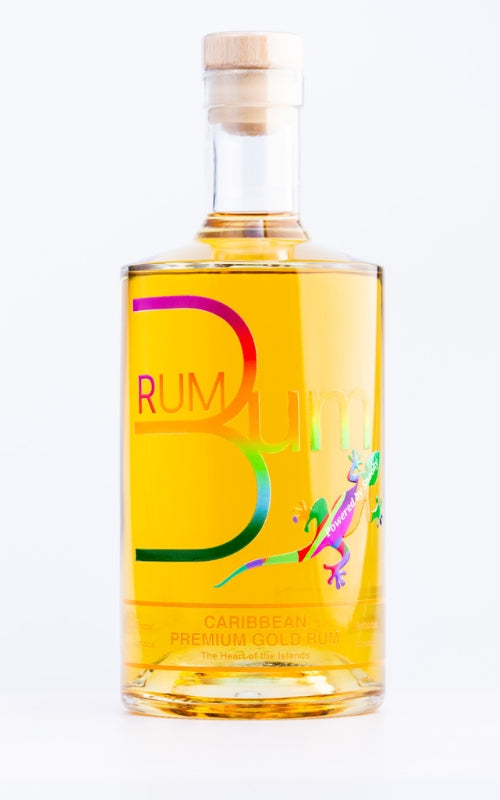

Tasting rum straight is all about discovery. It is a chance to slow down and explore the aromas, flavours and texture that can disappear when rum is mixed into a drink.
If you have ever wondered what rum tastes like, the answer is rarely one note. You may find fruit or spice, followed by oak, caramel or something more unexpected. The surest way to understand a rum is to give it your attention and return to it as it changes in the glass.
For me, tasting rum transports me to the years I spent living and working in the Caribbean. Those memories are one of the reasons rum has never felt like just another drink. It is a journey.
Whether you already enjoy sipping rum or are approaching it for the first time, this guide will help you taste it with confidence. If you would like to understand the traditions that shape its character, begin with my guide to Caribbean rum.
What Does Drinking Rum Straight Mean?
Drinking rum straight simply means enjoying it without a mixer. If it is served neat, nothing else has been added and it will usually be poured at room temperature. Adding a few drops of water is a useful tasting experiment, although technically the rum is no longer neat.
You do not need a large measure. A small pour gives you enough rum to look at, nose and taste without overwhelming your senses.
Key Takeaways
- Choose a glass that narrows towards the rim.
- Pour a small measure and give it a gentle swirl.
- Look at the colour and clarity without treating either as proof of quality.
- Approach the aroma gently and return to it after a moment.
- Take a small first sip, then taste again once your palate has adjusted.
- Experiment with a few drops of water if the alcohol feels dominant.
- Notice what remains after you swallow.
Choosing the Best Glass for Rum Tasting
Glassware can change the way aromas reach your nose. I prefer a tulip-shaped tasting glass, with a rounded bowl and a narrower opening. A copita or Glencairn-style glass can work well for the same reason.
If you do not have specialist glassware, choose a small glass that narrows slightly towards the top. Avoid filling it too high because the empty space above the rum helps aromas gather.
Look at the Colour, Clarity and Legs
Hold the glass against a light background and take a moment to look at the rum. Its appearance can be interesting, but colour alone cannot tell you how old the rum is or whether it will taste good. Caramel may be used to adjust colour in some rums, while other matured rums can be filtered until they appear clear.
Give the glass a gentle swirl and you may see streaks running down the sides. These are often called legs. They result from the way alcohol, water and other compounds move and evaporate in the glass. Slower legs do not reliably prove age, strength or quality, so enjoy the observation without using it as a score.
If you are curious about the influence of time and wood, explore my guide to rum ageing and blending.

How to Nose Rum
Bring the glass towards your nose slowly rather than taking one deep breath with your nose inside the rim. Start a little way back, take a short sniff and move away. Return after a moment and notice whether the aroma has changed.
You can try each nostril separately because one may feel more sensitive than the other. A gentle swirl can release more aroma, but vigorous swirling may push the alcohol to the front and make subtler notes harder to find.
You might discover fresh fruit or dried fruit. Another rum may bring spice, flowers or wood. There is no prize for naming everything immediately. Give the glass time and describe the aroma in words that make sense to you.
Much of what you find comes from the raw material and production method. My guide to how rum is made explains that journey in more detail.
How to Sip Rum Straight
The best part is the sipping. Begin with a very small taste so your palate can adjust to the alcohol. Let the rum move across your tongue, then swallow when you are ready. Pause before returning for a second sip.
The first taste may be led by alcohol. On the next, concentrate on the shape of the flavour and how the rum feels in your mouth. It might feel light and clean or richer and more rounded. Notice whether the flavour develops gradually or arrives all at once.
The warming or burning sensation comes largely from ethanol interacting with the nerves in the mouth and throat. Higher-strength rum can make that sensation more noticeable. It is not a measure of quality and there is no need to fight your way through it.
If the alcohol is masking everything else, add one or two drops of water. Swirl gently, then nose and taste again. Dilution changes the balance in the glass and may make some aromas easier to notice, although every rum responds differently.

How to Make Rum Taste Better When Drinking It Neat
The aim is not to disguise the rum. You are giving it the best chance to show you what is there.
- Let the poured rum rest for a moment before nosing it again.
- Keep each sip small and allow your palate to adjust.
- Try a few drops of water if the alcohol is dominating the flavour.
- Taste a different style if the first rum simply is not for you.
A rum enjoyed straight should reward your patience. If it does not suit your palate, that is useful information rather than a failed tasting.
Pay Attention to the Finish
The finish is what remains after you swallow. Notice how long the flavour lasts and whether it changes. A rum might leave warming spice, gentle fruit or a clean, dry sensation.
A long finish can be enjoyable, but length alone does not make a rum better. A shorter finish may be perfectly balanced for the style. What matters is whether it feels pleasant and complete.
Taking Notes While Tasting Rum
Writing down your impressions helps you remember what you enjoyed. It also trains you to notice differences between bottles without relying on somebody else’s tasting notes.
Record the rum’s appearance first, followed by the aroma and palate. Finish with what remained after the swallow. You can also note the origin, strength and any production information given by the producer.
Your notes do not need to sound technical. “Ripe banana”, “toasted coconut” or “dry oak” is far more useful than forcing yourself to use impressive language that means nothing to you. A Rum Lover’s Journal is designed to keep those discoveries together as your experience grows.

Reflecting on the Rum
Every rum has a story shaped by its origin and the people who made it. Raw material, fermentation and distillation influence the spirit before maturation or blending adds another layer. Caribbean rum is especially diverse, so broad regional styles should be treated as a starting point rather than a set of rules.
Think about the whole experience. Did the aroma match the palate? Did anything surprise you? Most importantly, did you enjoy it? Your own response matters more than finding a supposedly correct answer.
Ready to Put Your Rum Tasting Into Practice?
Start with one rum and learn it well. Taste it neat, then return with a few drops of water. Later, try the same rum in a favourite cocktail and compare what you notice.
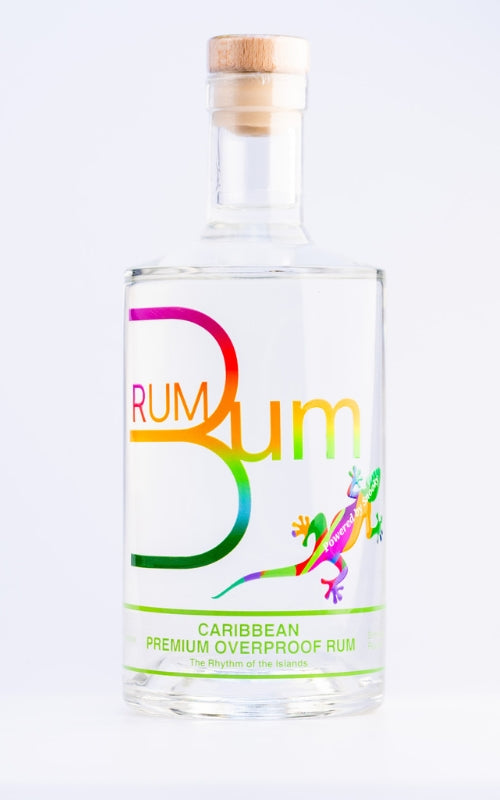
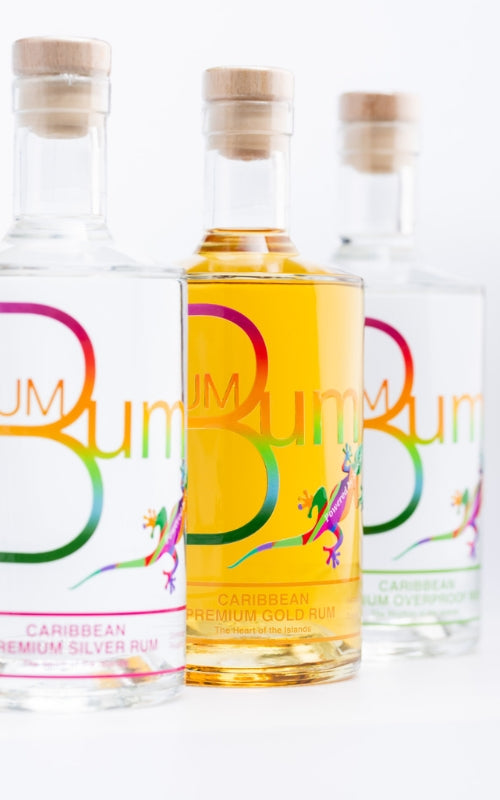
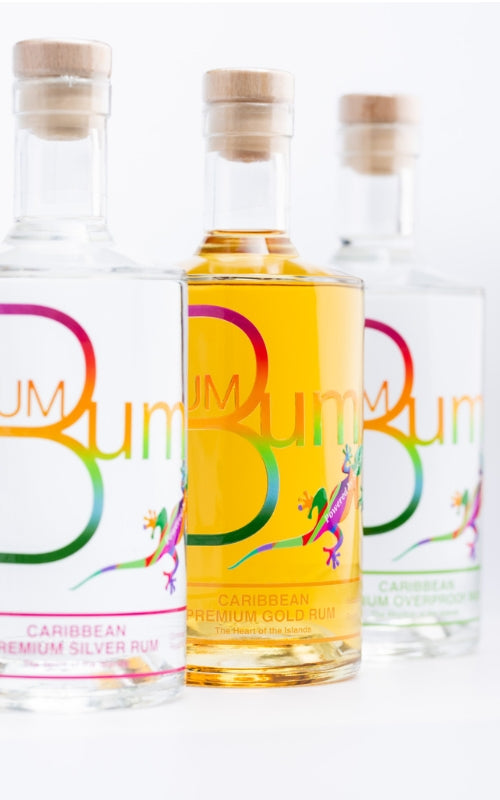
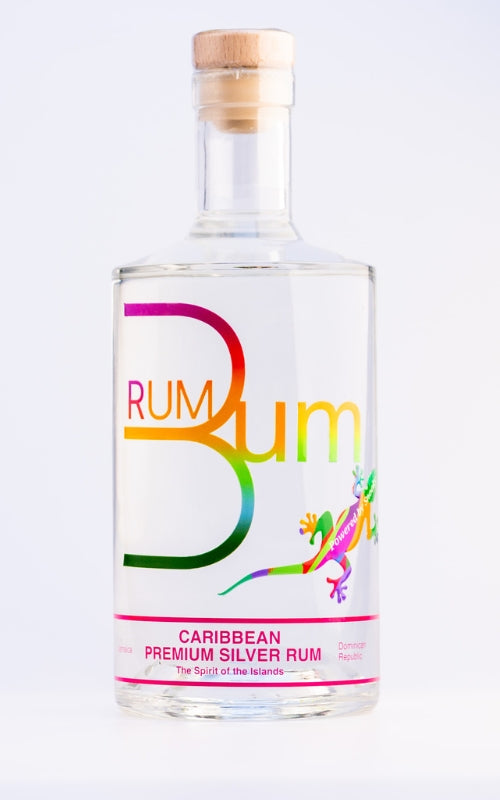
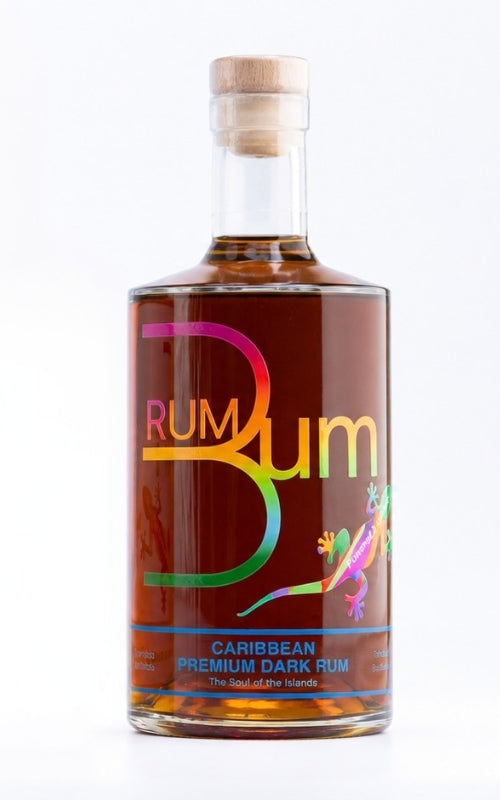
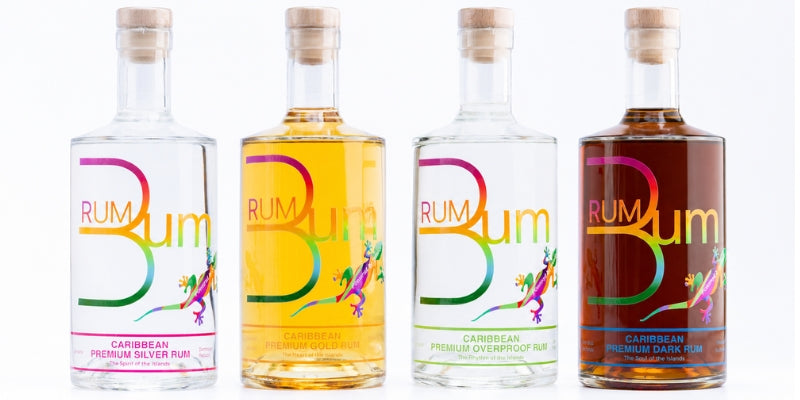
You can explore The Original Rum Bum core range below and choose the bottle that interests you most. Let me know how your tasting went over on Instagram. I am always happy to chat about rum.
Cheers!