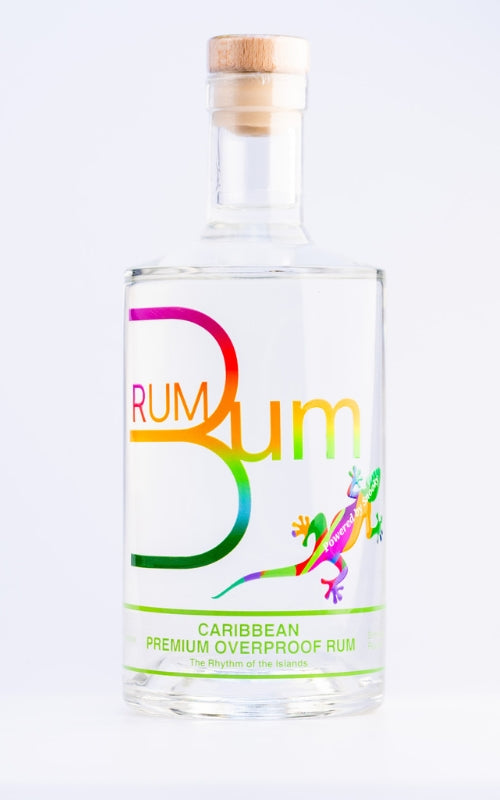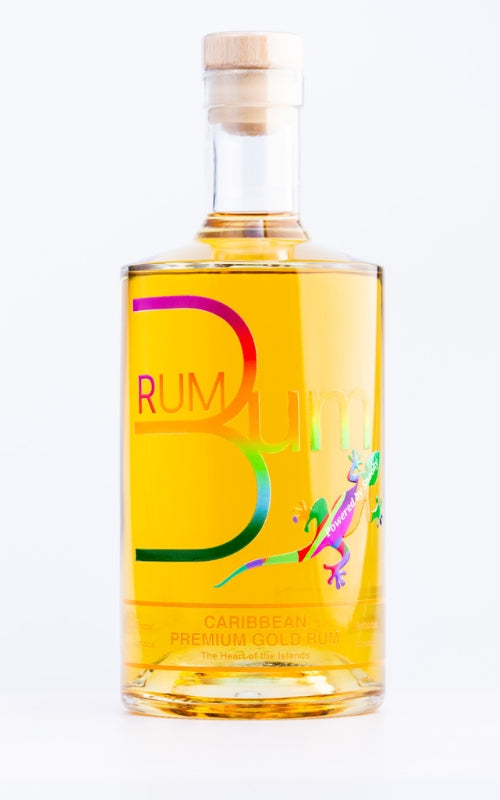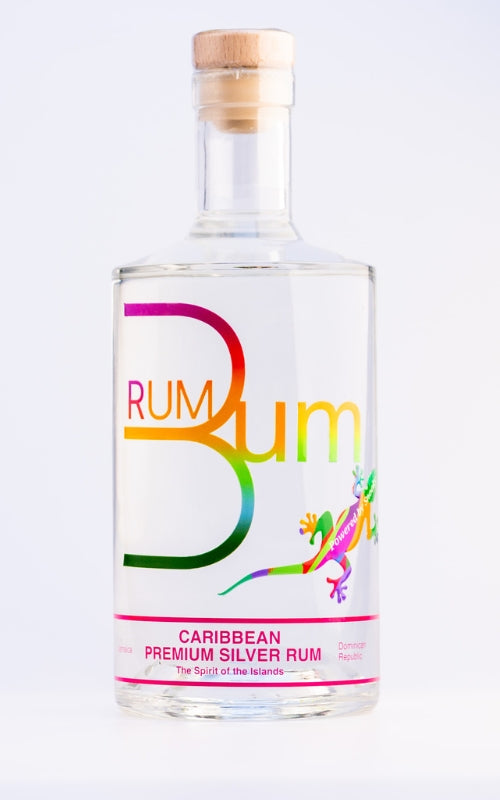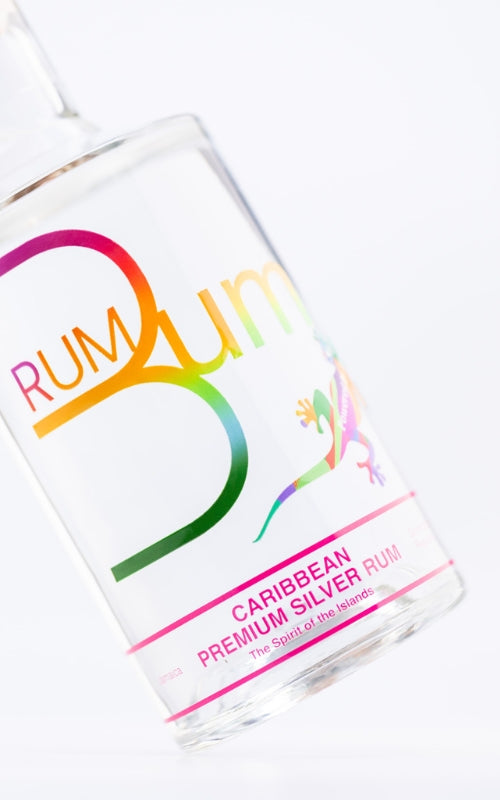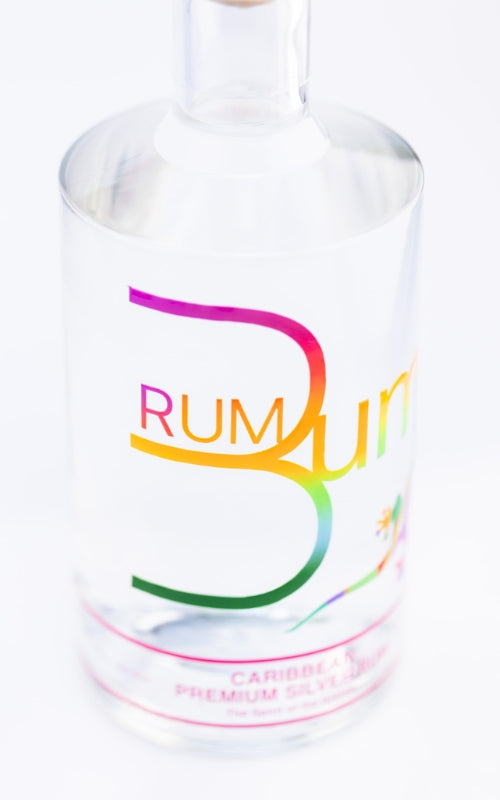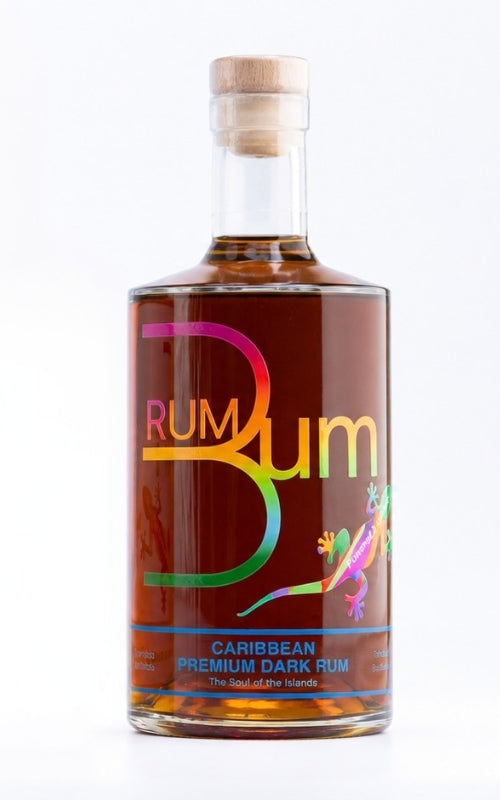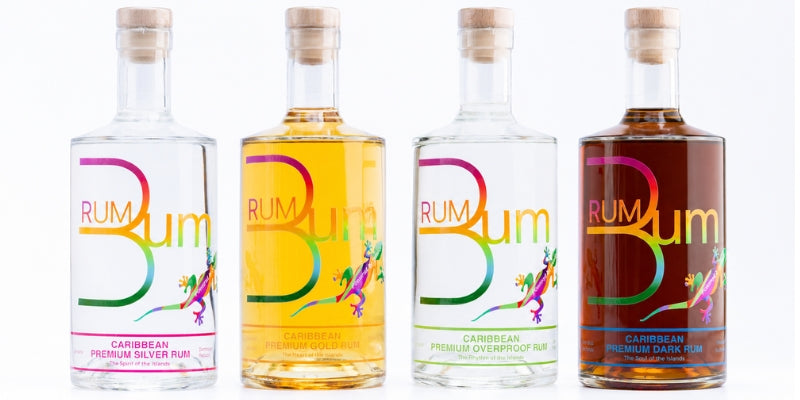

Rum lovers, welcome to my Caribbean rum guide. Long before The Original Rum Bum was founded, I discovered the spirit of Caribbean rum first-hand as a young chef travelling across the islands. I drank with the locals, listened to their stories and learned what rum means in everyday life, often with my toes in the sand.
In this guide, I’ll take you through the broad traditions behind Caribbean rum, the flavours you may discover and the clues that can help you choose a bottle. There is no single Caribbean rum style. Every island, producer and distillery has its own way of doing things, which is exactly what makes the category so exciting.
Cheers, fellow Rum Bums!
Why Is Rum Called the Spirit of the Caribbean?
Rum and the Caribbean are inseparable in my mind. The spirit grew alongside the region’s sugarcane industry and has become woven into island life. You find it at celebrations and around the table, but also in the stories shared between friends.
Rum is not simply a drink made in the Caribbean. It reflects generations of knowledge and local tradition. Each bottle can tell you something about where it came from and how the people behind it understand their craft.

What Makes a Good Caribbean Rum?
A good Caribbean rum begins with thoughtful production. The raw material matters, whether the spirit starts with molasses, sugarcane syrup or fresh cane juice. Fermentation shapes aroma and character before the spirit ever reaches a still. Distillation then refines that character, while maturation and blending can add another layer entirely.
Local conditions matter too, although not in quite the same way as the idea of terroir in wine. Climate affects how a spirit interacts with a cask and how quickly liquid is lost during maturation. The choice of still, the producer’s house style and the rules or traditions of a particular island can all influence what reaches your glass.
None of those things automatically makes one rum better than another. Quality comes from balance, clarity of flavour and a sense that every production choice belongs together.
Caribbean Rum Styles: A Useful Starting Point
You may hear people describe Caribbean rum as English, Spanish or French style. These names are broad historical shorthand for some of the traditions that developed across the region. They are not official categories, and they should never be treated as strict rules. There is enormous variety within every island and language group.
English-Speaking Traditions
Rum from islands and countries with British colonial histories is often associated with molasses, pot still character or blends of pot and column distillates. Jamaican rum can be wonderfully aromatic and full of personality. Barbados has its own long distilling tradition, while Guyana and Trinidad bring very different histories and production styles to the glass.
These are clues rather than guarantees. A producer may create anything from a light mixing rum to a deeply flavoured sipping expression.
Spanish-Speaking Traditions
Rum from Spanish-speaking parts of the Caribbean is often associated with column distillation and a lighter, polished profile. Molasses is common, although some producers work with sugarcane syrup. Cuba, Puerto Rico and the Dominican Republic each have distinct traditions, so the family resemblance should not hide the differences between them.
Some producers use fractional blending or solera-inspired systems to build consistency and layered flavour, but this is not a universal feature of the style.
French Caribbean Traditions
Rhum agricole is made from fresh sugarcane juice rather than molasses. It can bring grassy, vegetal and earthy flavours, with a freshness that is immediately distinctive. Martinique and Guadeloupe are well-known origins, although not every rum produced in the French Caribbean is agricole.
If you would like to go deeper, I have also shared my experience of rum ageing and blending, along with how rum is made.
How to Choose a Caribbean Rum Bottle
Choosing a Caribbean rum is a personal adventure. Start by thinking about how you want to enjoy it. A sipping rum needs enough balance and character to hold your attention on its own. A mixing rum should have a clear flavour that can still make itself heard in a cocktail.
Colour can give you an initial impression, but it does not tell the whole story. A clear rum may have spent time in cask before being filtered. A dark colour does not, by itself, prove that a rum is older, sweeter or more heavily oaked. Look beyond the appearance and read what the producer tells you.
Origin is another useful clue, but the distillery and production method matter just as much. Pot still distillates often bring more weight and aromatic intensity. Column stills can create a lighter or more refined profile, and many excellent rums combine the two.
Age statements can help you understand a bottle, but older does not automatically mean better. Time in cask is only one part of the story. What matters is how well the spirit, wood and blending work together.

How to Drink Rum: Sipping or Cocktails
Whenever I drink rum, it has to be a joyous moment. It brings sunshine into my world, whether I’m sipping quietly or building something special at the cocktail bar.
For sipping, I prefer rum at room temperature with no ice. A droplet of water can open it up beautifully. Add ice if you wish, although personally I like to let the rum speak for itself. Take your time and notice how the aromas change in the glass. You may find vanilla or caramel, followed by spice, fruit or something entirely unexpected.
Mixology is a whole world of its own, and rum sits at the heart of it. The Daiquiri and Mojito are classics for a reason. An Old Cuban or a Dark ’n’ Stormy can show a completely different side of the spirit.
Learn the classics, then step forward and experiment. Tropical fruit can be wonderful, but so can a well-judged bitter note or a carefully chosen spice. If you like recording what you taste and the drinks you create, A Rum Lover’s Journal is a lovely companion for the journey.
What to Look for on a Rum Label
A label gives you clues before you pour a drop. Begin with the producer and country of origin, then look for the raw material or production method if these are stated. The description may tell you whether the rum is unaged, matured or blended.
Alcohol by volume, or ABV, tells you the strength. It can also help you judge how assertive the rum may be when sipped or mixed, although strength alone does not define flavour.
If a bottle carries an age statement, check how the producer explains it. Under UK and EU spirit labelling rules, a stated maturation period or age refers to the youngest alcoholic component in the drink. Cask details, batch information and a geographical indication can offer more useful context when they are present.
Take a moment to read the label properly. It is part of the rum’s story, but remember that the most important test still happens in the glass.
What Separates an Average Bottle from a Great One?
An everyday rum can do a brilliant job where it belongs, especially in cocktails. It can be consistent, reliable and perfectly suited to its purpose.
A great rum offers something more memorable. The flavours feel balanced and clearly defined, with enough character to invite another sip. Price, age and colour are not guarantees of quality. What I look for is careful production and a spirit that delivers the experience its maker intended.
Passion matters, and I believe you can taste it when it is there.

Final Thoughts on Caribbean Rum
Caribbean rum is a world worth exploring. From personal experience, I know the best way to learn is to taste with curiosity and enjoyment. My Instagram account @theoriginalrumbum is where I share favourite bottles from my collection and the occasional tasting discovery.
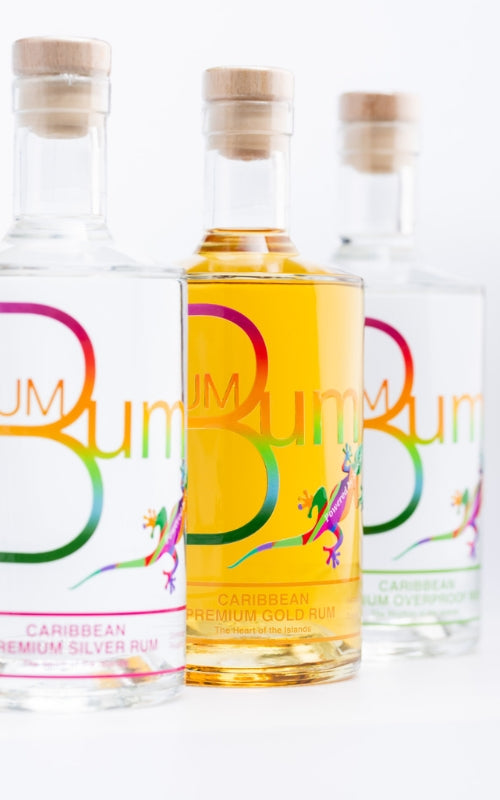
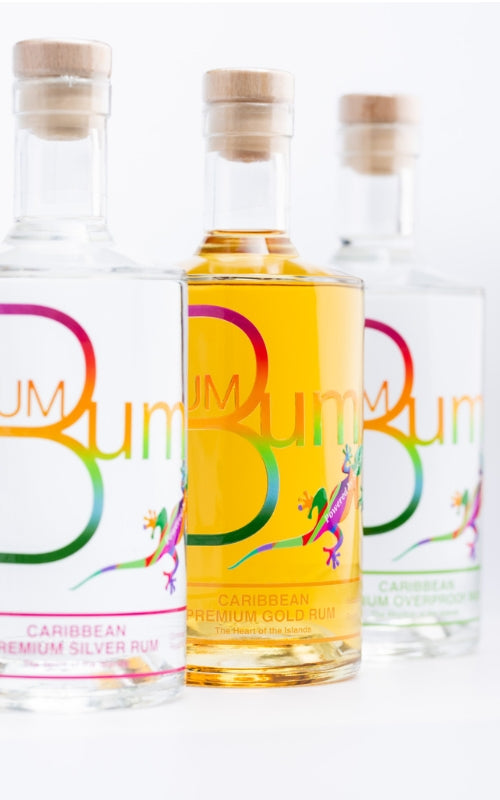
If you would like to take the next step, explore The Original Rum Bum core range below. Choose a bottle that suits the way you enjoy rum, then make a note of what you discover in A Rum Lover’s Journal as your own rum journey grows.
Cheers, and enjoy, my fellow Rum Bums!
Snooky