What Does Rum Taste Like? A Guide to Rum Flavour


When people ask me what rum tastes like, I answer that rum can taste bright, fresh, smooth, spicy, fruity, rich, or deeply oaked, depending on how it is made, aged, and blended.
As a restaurateur and premium rum business owner, I want to share how rum develops its remarkable flavour, why different styles can taste worlds apart, and why uncovering those unexpected turns of aroma and taste remains one of my favourite things about rum. There is far more going on than many people expect, which is exactly what makes the journey so very enjoyable.
White rum often feels lighter and fresher, sometimes showing notes of citrus, coconut, green sugarcane, or a faint mineral edge, while aged or spiced rum can reveal layers of vanilla, caramel, dried fruit, toasted oak, cacao, tobacco, and warming spice.
What many people do not realise is that rum’s flavour is often shaped by creative details, from the type of cask it matures in to the raw material it begins with, such as sugarcane juice or molasses. These are the subtleties that give rum its personality, and they are often where things begin to get fascinating. We will come to those shortly.
After more than 30 years of tasting rum all over the world as The Original Rum Bum, one of the things I find most fascinating is that no two rums ever taste quite the same. So let us take a closer look at what white rum, spiced rum, and indeed rum more broadly can taste like, and why these flavours can be so distinctive and rewarding. Here’s to a tot!
What does rum taste like?
Rum takes on many flavour profiles. It can taste sweet, grassy, fruity, spicy, soft, creamy, dry, or oaky. That sounds broad because rum is broad. It is one of the most varied spirits on the shelf. Some rums open with tropical fruit and freshness, while others lead with vanilla and soft spice. Others can lean into oak, cacao, coffee, dried fruit, or dark sugar.
When you have a good rum, you will find that it can change the more time you spend with it. The nose or smell will lead you on one journey, but when you sip it, it can take you somewhere else. The finish can then reveal deeper, richer notes. That is why I always say rum is best explored slowly.
Rum’s main flavour notes
Many rums show notes of vanilla, caramel, toffee, or soft brown sugar. These are often among the first flavours people notice.
Fruit is another big part of rum tasting. Depending on the style, I might find banana, pineapple, orange peel, mango, raisin, or a tropical note that brings the warmth and Caribbean vibes you’d expect.
Then there are the deeper notes. Cinnamon, clove, nutmeg, toasted oak, coffee, cacao, and tobacco can all appear, especially in fuller styles or rums that have spent more time in cask.
Key flavour profiles by rum style
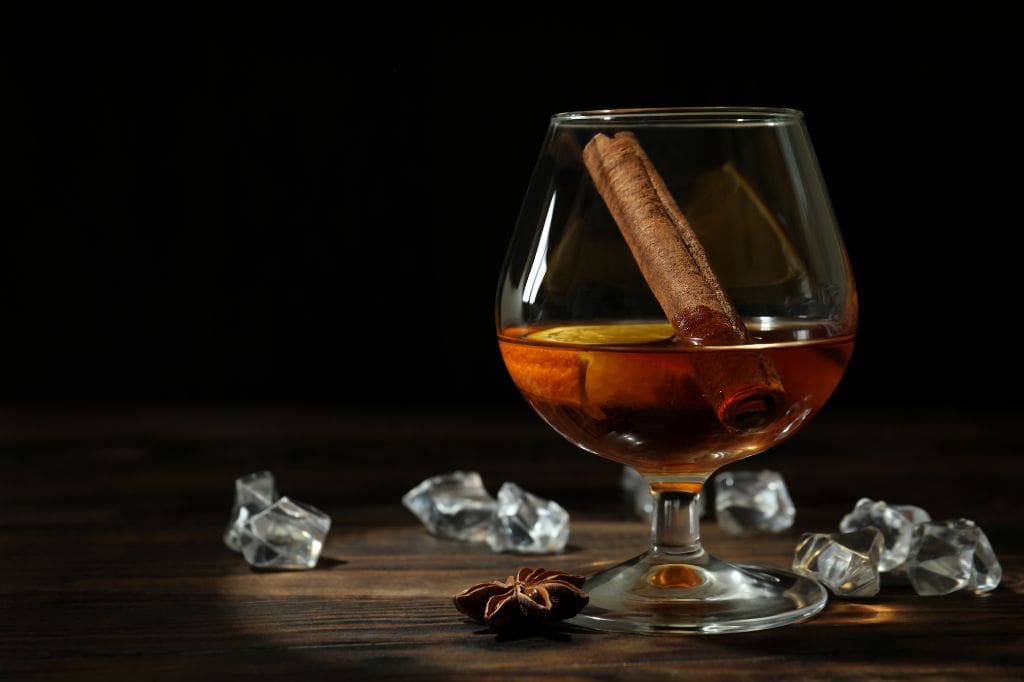
A good way to begin understanding different rum styles is to notice how they look in the glass, then use the aroma and taste to build a fuller picture. Appearance can offer a few early clues about style, but the real character of a rum reveals itself in the nose, texture, and finish.
What does white rum taste like?
White rum is often lighter and cleaner in profile, but that does not mean it lacks character. Depending on the style, you may find notes of citrus, coconut, soft vanilla, pepper, and fresh sugarcane. The best white rums still show depth and structure, with freshness balanced by complexity.
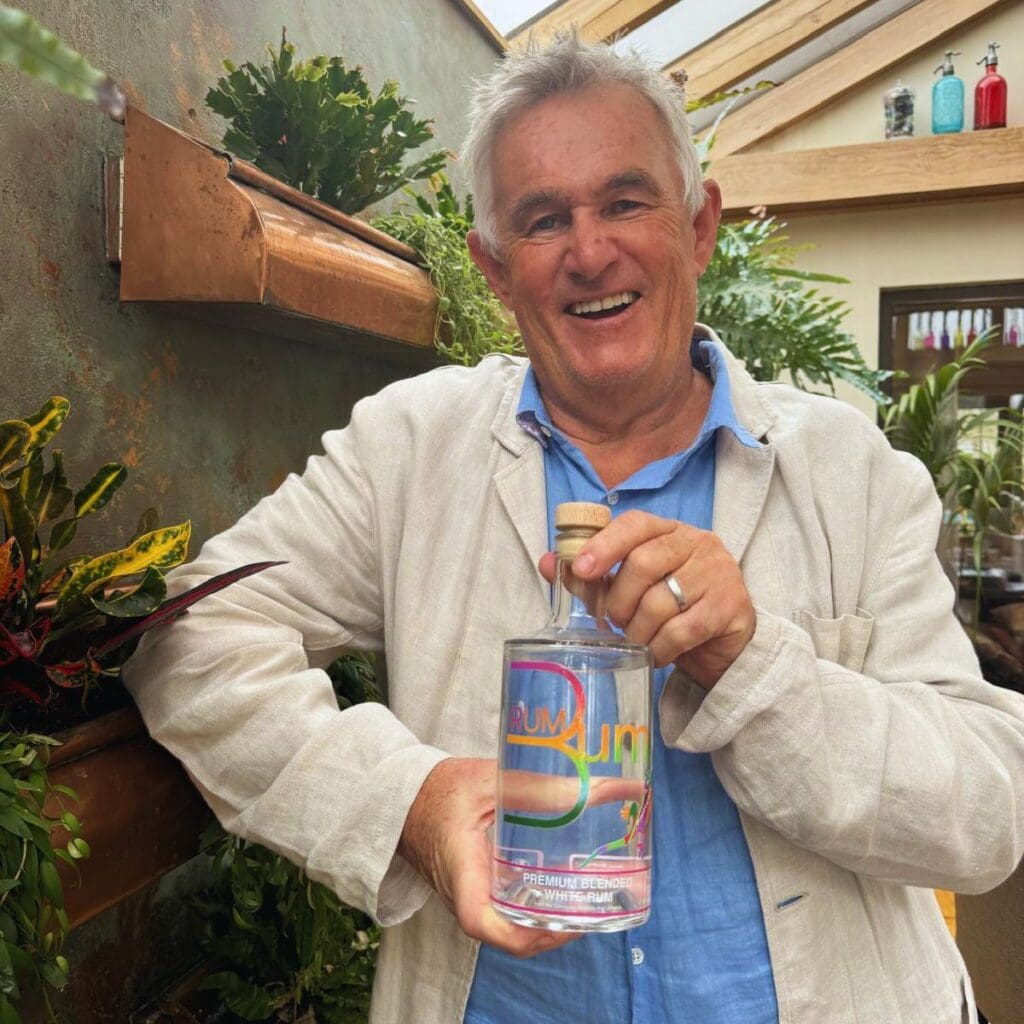
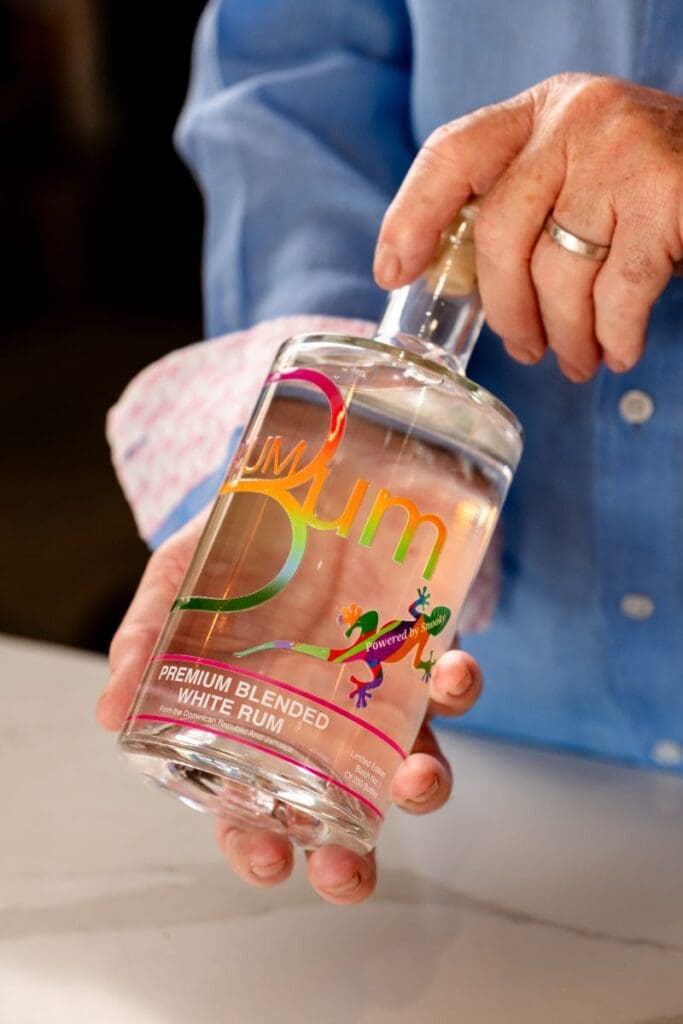
Rum Bum No.1 Signature Rum is a strong example of this style. As a premium white rum inspired by both Jamaican and Dominican traditions and using a blend of the best, it offers a useful reference point for anyone wanting to understand how white rum can combine flavour, quality, and versatility, whether drunk neat or in well made cocktails.
What does spiced rum taste like?
Spiced rum is often more aromatic from the first moment you open the bottle. Plain rum can feel stronger, while spiced rum is often sweeter and mixes well for more casual rum drinkers.
You will find notes of vanilla, cinnamon, clove, nutmeg, orange peel, and warming spice. Some spiced rums feel soft and sweet. Others are drier and stronger. It all depends on the base rum and how the spice profile has been built around it.
How does gold or amber rum differ in flavour?
Gold or amber rum usually sits between white and dark styles. To me, it often shows more body and warmth, with notes of caramel, gentle oak, vanilla, roasted nuts, and soft spice. It tends to feel fuller than white rum without becoming too heavy.
What does dark rum taste like?
Dark rum is usually deeper, fuller, and more concentrated. I often look for molasses, treacle, toffee, dried fruit, baking spice, cacao, and a longer finish. Some dark rums feel rich and rounded. Others feel dense and so very intense.
Why does rhum agricole taste so distinctive?
Rhum agricole is a style of rum traditionally made in the French Caribbean. It can taste very different from the rum many people know best because it is made from fresh sugarcane juice rather than molasses. It often has a grassy, earthy, more vegetal freshness.
I mention it here to show just how broad the world of rum can be, even though most Caribbean rum people encounter is molasses based.

Why rum tastes different from bottle to bottle
There is no single formula for rum, and that is part of its appeal. It may be made from fresh sugarcane juice, sugarcane syrup, or molasses, and each one creates a different foundation of flavour. Distillation also shapes the final spirit, with some methods producing a lighter style and others delivering more weight and character.
Maturation adds another layer, with time in cask influencing aroma and depth, while climate affects the speed and style of ageing. Blending brings everything together, helping to refine balance, structure, and consistency.
For a closer look at this side of rum, explore How is Rum Made: The Basics of Rum Production.
How ageing changes the taste of rum
Ageing can change rum dramatically. As rum sits in a cask, I often find it becomes rounder and more layered. Fresh edges soften, and new notes begin to emerge. Over time, the spirit can gain more structure and a longer finish.
That said, age is not everything. A younger rum can still be elegant, vivid, and full of charm. I would never dismiss white rum simply because it shows less colour.
If you want to read more about this, have a look at my article, Rum Ageing and Blending: The Art of Time and Balance, if you want to understand what time in wood really does.
How I taste rum properly
When I want to understand a rum properly, I take my time. I look at it first, nose it gently, then take a small sip and go back again. Drinking rum straight is one of the best ways to get a true sense of its flavour and texture. Very often, the second sip reveals more than the first. If you want the full guide, read How to Drink Rum Straight: A Guide to Tasting Rum Properly.

My final thoughts on rum and its flavour
I have been drinking rum all over the world for more than 30 years, and what keeps drawing me back is that it always has more to give. I have lived and worked in the Caribbean, and I still return often, so for me rum is tied to flavour, place, craft, and culture.
That is why I believe rum rewards attention. It can be bright and fresh, rich and warming, or full of depth and character. If you want to start with a bottle that reflects quality and a true rum tasting experience, try Rum Bum No.1 Premium White Signature Rum. This is our first limited edition release, and it will not be around forever. Let me know what you think over on Instagram or via email, and as always, cheers!