


Rum Ageing and Blending – The Art of Time and Balance


Two essential stages in making premium rum are ageing and blending. As a former restaurateur and award-winning cookbook author, I explored every part of that process when I created my first premium white blended rum, Rum Bum No. 1.
If you would like to step back and start with the foundations, you can read my article on How Rum Is Made.
If you are ready to move on, we can look more closely at ageing and blending. Rum, for me, is not only about technique. It is about the culture around it, the people who make it, and the moments you share when you pour a glass with friends.
I draw on what I learned while living and working in the Caribbean and share it in a way that stays clear, focused and easy to follow.
Key Takeaways About Blending and Ageing Rum
- What is rum ageing?
Rum ageing is when rum rests in wooden casks for a time; wood and climate smooth out harsh notes and build deeper flavour and aroma. - Is white rum aged?
White rum is usually unaged or only briefly aged, then filtered through charcoal to remove most of the colour and some intensity, leaving a clear, lighter rum, which is great for cocktails. - Does rum get better with age in the bottle?
Rum does not continue to age in the bottle. Once it leaves the cask and is sealed, its flavour is preserved rather than developing further. - What is the difference between aged rum and dark rum?
Aged rum is defined by time in wooden barrels. Dark rum is defined by colour, which can come from longer ageing or from added caramel, so not all dark rum is long-aged. - What is rum blending?
Rum blending is the process of combining rums from different casks, ages or distilleries to reach a planned flavour profile with balance and consistency.
If you have a little more time and a rum in your hand, then please read on for more detailed information on the ageing of rum and the art of blending!

Rum Ageing: Unlocking The Basics
Freshly distilled spirits should excite the senses, reveal what they are and where they are sourced from.
A well-made premium spirit, such as rum, does not normally require ageing to be enjoyable, and the need for a wooden cask is not paramount. However, it is an important step to improve and allow the spirit to grow. There is more to ageing rum than meets the eye; it is a complex exercise and is not just about pouring the rum into a cask and leaving it. Care and consideration are important factors in the creation of a good rum, and proper ageing is a slow process.
Is White Rum Aged?
Before we go a bit deeper into rum ageing, I thought I would address this question that I often get asked. Is white rum aged? So to answer it, white rum is most often either unaged or aged for a short period of time, usually 1-2 years. It would then be filtered through charcoal to remove its colour and some of its harshness. Making it clear and giving it a lighter flavour profile, which is great for making cocktails.
Congeners and the Science of Rum Ageing
Congeners in the rum are non-ethanol compounds formed during the fermentation and distillation stages. Embracing these subtleties is important during the transformation process, whilst the flavours extract themselves from the casks into the rum, allowing the less pleasing aromas to disappear during evaporation. New flavour profiles emerge as others start to form as congeners, which morph into other congeners. Congeners play a significant role in the ageing of rum, contributing to its overall character derived from various sources such as sugarcane, molasses, yeast, bacterial fermentation and the oak casks used during this process.
Casks, Climate and the Character of Aged Rum
Other factors influencing the flavour of the rum can be affected by the ageing time, the barrel types and their previous use. The temperature and humidity of the storage conditions also play a vital role. Without going into too much detail, all of the above-mentioned are contributing factors to creating a good quality rum, each with its own unique DNA.
The casks themselves are important, each playing a significant part in impacting unique characteristics to the rum – from new American oak, ex-Bourbon casks, sherry casks and port casks, to name a few. Casks are often charred or toasted beforehand, which helps with the structural integrity of the casks and can enhance the colour and flavour. Ageing in the casks can typically take from a minimum of three years to decades.
Understanding and respecting the importance of a good cellar master is paramount towards the success of a good quality rum, with tradition, science and intuition all playing a key part. Ageing is a specialised craft and an art.
Does Rum Get Better With Age?
Rum does not get any better with age, once it has been bottled, as the ageing process stops the moment it is sealed.
Unlike wine, the rum’s flavour profile, once it goes into the bottles, will not evolve, but it will be preserved.
What’s The Difference Between Aged Rum And Dark Rum?
The main difference is that aged Rum is a category of Rum that has been aged for a period of Time in wooden casks, before being bottled.
Whilst Dark Rum is a category defined by its colour, which is often achieved by longer ageing in charred casks, or by adding Caramel colouring agents. Meaning the Rum may not have been aged or was only minimally aged.
Rum Blending: From Aged Rum to Final Spirit
Rum ageing is the stage where rum rests in wooden casks, letting time, wood and climate shape its flavour before it is ready to blend or bottle.
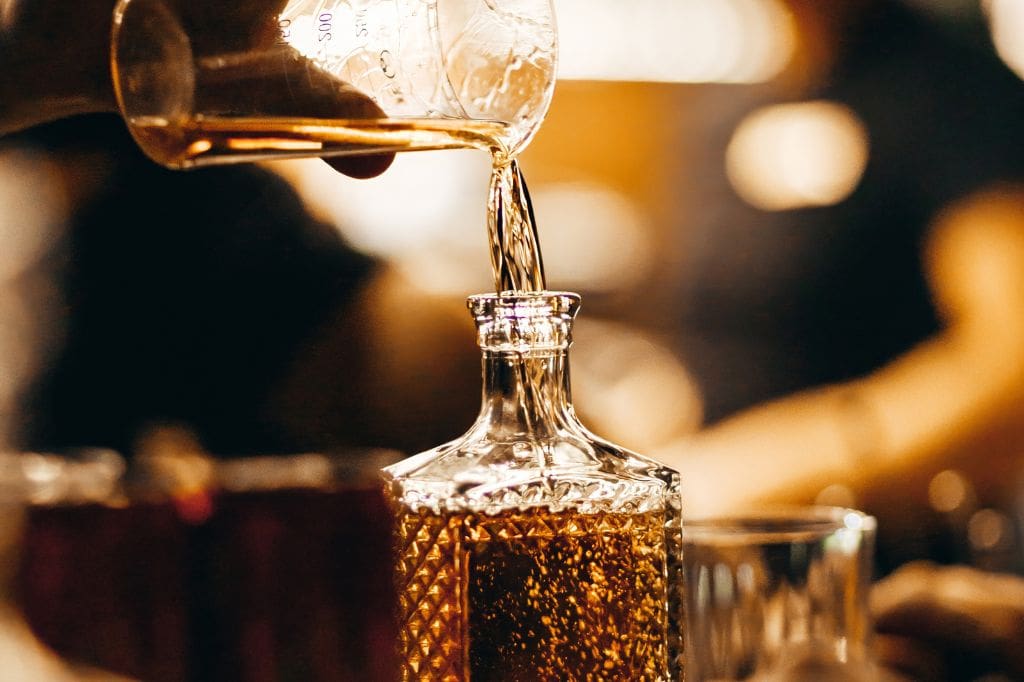
Once the rum has completed the desired ageing you require, a single cask rum will be emptied through a strainer into bottles, but the majority of rums will undergo additional processing before bottling.
Thus begins the blending journey, which is a crucial step in creating a consistent and high-quality rum. This process would usually be orchestrated by an expert team led by a master blender.
Creating a composite rum that is blended from multiple types of rum, often from different distilleries and different countries, is complex and is made more complicated by no two casks being exactly the same. Different rums aged in different cask types, combined with age statements and distillation methods, are all integral factors in successful rum blending.
The objective is to create a unique and balanced flavour profile, balance out the harsh or dominant flavours, add depth and complexity, and bring out certain characteristics to create a consistent flavour profile.
It is important to start with a clear vision to determine your target flavour profile and the style you seek to create.
Final Thoughts on Rum Ageing and Blending
I’m so glad you have stayed with me to learn about the fantastic art of blending and ageing rums.
If you’d like to go back to the beginning of this fine spirit, have a read of my article on The Origins of Rum.
If you are ready to taste the fruits of my labour, you can order Rum Bum No. 1 Signature Blend premium white rum or if you want to explore more from The Original Rum Bum, head to the website to learn more.
Cheers! Here’s to the art of living well!
Snooky


