


How to Drink Rum Straight: A Guide to Tasting Rum Properly


Tasting rum straight involves discovery. It is a multi-sensory journey that awakens your senses, allowing you to unlock a world of aromas and flavours.
If you have ever wondered what does rum taste like, the answer is rarely one note. The taste of rum can show fruitiness, spices, woody elements or perhaps a caramel hint, and it will often evolve as you take your time. The surest way to understand the taste of rum is to taste it correctly, slowly, and with full focus.
For me, it always transports me to the times I have spent living and working in the Caribbean, evoking pleasant memories. As a seasoned restaurateur and author of award-winning books, I have spent a lifetime around flavour and outstanding craftsmanship. With this, you will understand why rum, for me, is never just a drink. It is a journey.
Whether you’re a seasoned connoisseur or just a humble beginner, hopefully this guide on how to drink rum straight will help you appreciate the complexities of rum. If you would like to go deeper into the Caribbean styles that shape flavour, have a read of my Rum Lover’s Guide to Caribbean Rum.
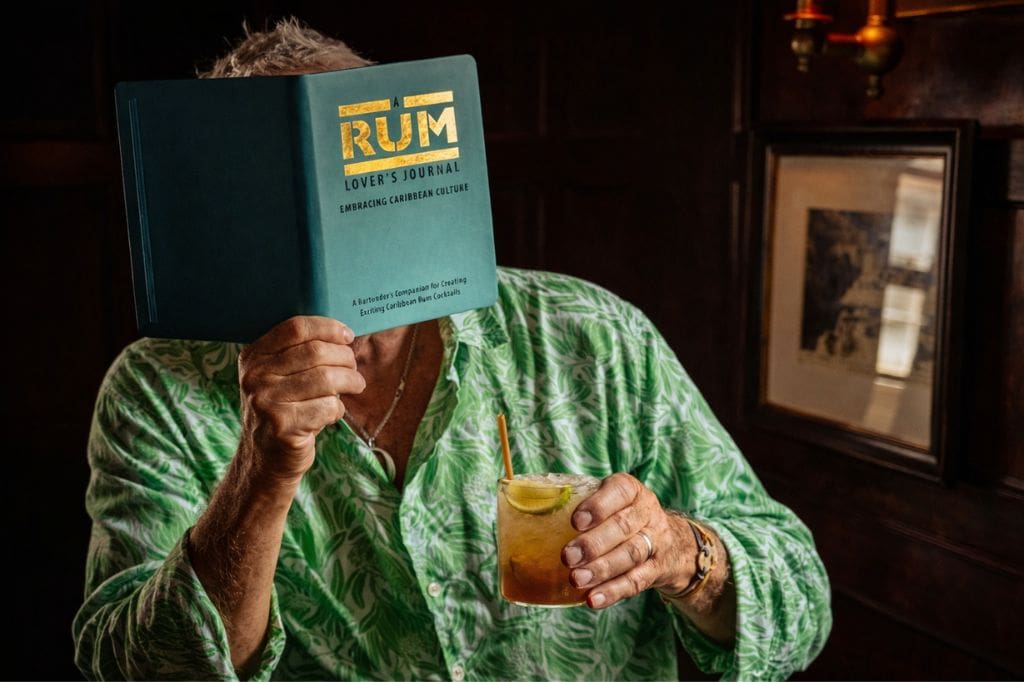
Key Takeaways
- Choose a glass that narrows at the top so aromas gather, not disappear.
- Pour a small measure only, enough to swirl and release aroma.
- Look at colour and clarity, then swirl to check viscosity and the legs.
- Nose gently and return to it; the rum will reveal more with time.
- Sip slowly, let it coat the mouth, and focus on structure and texture.
- If it is higher proof, add a couple of drops of water to open it up and soften the alcohol burn.
- Pay attention to the finish, the quality often shows itself after the swallow.
Choosing the Best Glass for Rum Tasting
Selecting the appropriate glassware for your tasting is crucial, as it will significantly impact your experience. It is commonplace to select and use a tulip-shaped glass; however, some will use a snifter glass, a short-stemmed glass with a wide bowl and narrow mouth designed to capture and concentrate aromas. I prefer the tulip glass for its wide bulbous base and narrow rim.
For a beginner, the simplest rule is that you want a glass that narrows at the top so the aromas gather, rather than disappearing into the air.
Eye appeal: colour, clarity and the legs of your rum
Once you have selected your preferred glass, pour in just a little of your rum into the glass. Hold the glass with the rum up to the light, observe its colour, the clarity, and give it a swirl, which will determine its viscosity, which is all about its texture and thickness of the liquid.
For example, older rums have a tendency to be more viscous due to the concentration of sugar and flavour compounds. Higher proof rums are heavier. When swirling the rum in the glass, check the legs (streaks down the side of the glass), when they are slower, this will indicate a strong alcohol content.
If you are curious about how time in wood and the craft of blending shape, texture, colour and depth, explore Rum Ageing.
Nosing the Rum
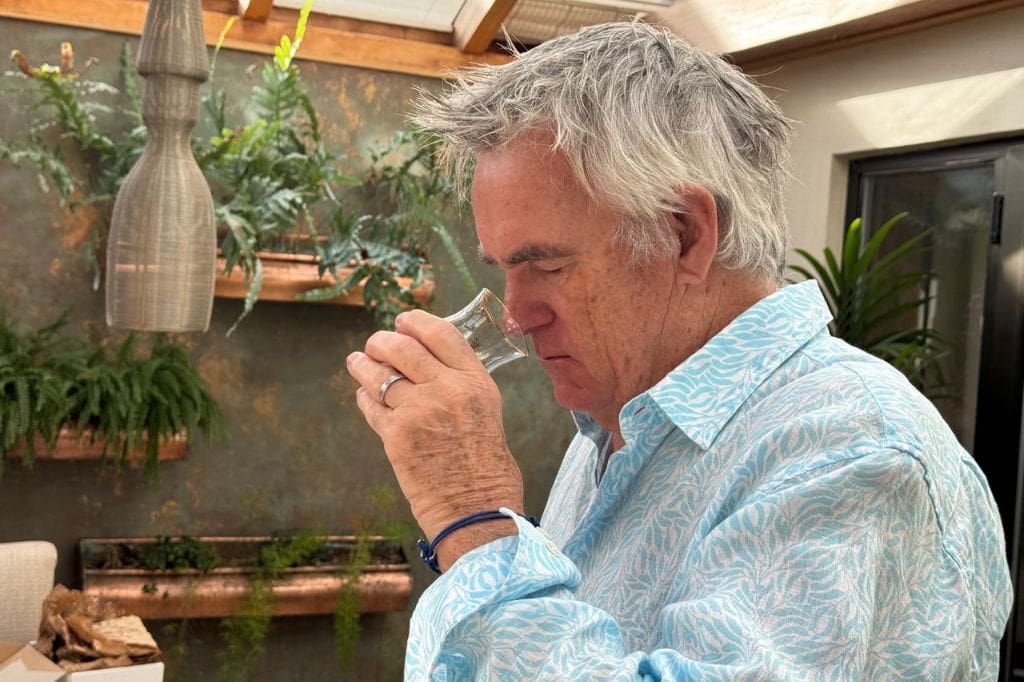
Bring your nose to the top of the glass, moving between nostrils, move away, then take another nose whilst swirling, and inhale, discover what profiles are lurking, as the aromas kick in, concentrating and directing those volatile aromatics and complex scents towards your nose, ultimately enhancing your tasting experience.
Maybe you are experiencing fruitiness, spices, woody elements or perhaps a floral hint; it is all part of this fantastic journey.
Much of what you find on the nose comes down to raw materials and method, so you may enjoy How Rum Is Made.
The Best Part of Drinking Rum Straight Is the Sipping
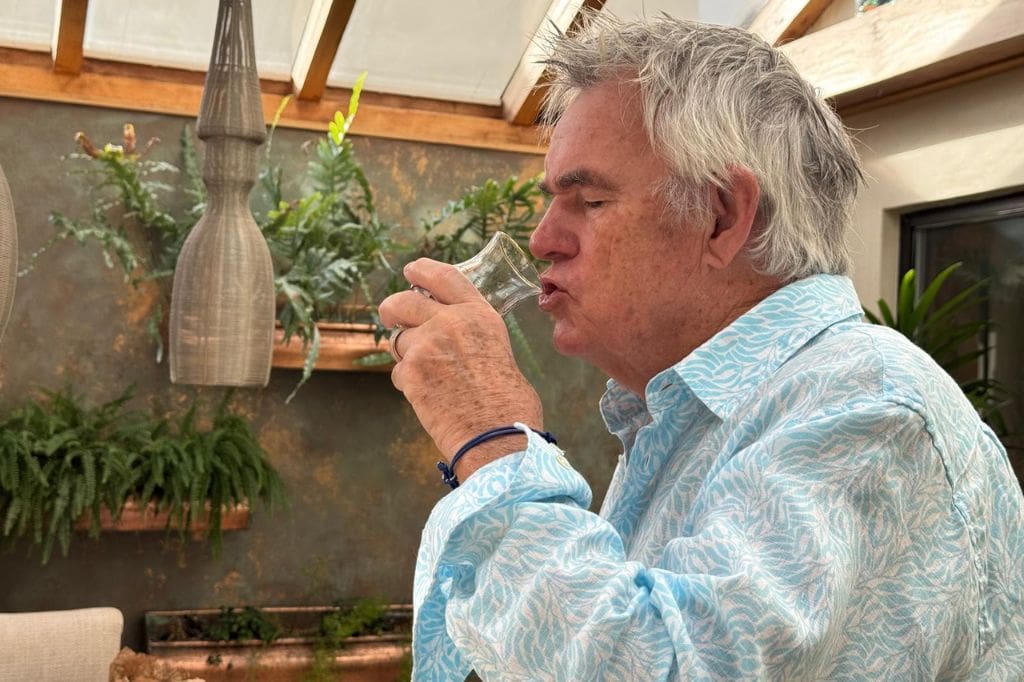
If you are learning how to drink rum straight, start by taking very small sips to allow your palate to adjust to the intake of alcohol. Allow it to coat your tongue and mouth for a few seconds. Whilst tasting rum, it’s important not to rush this process, as it will allow you to enjoy the rum more.
Taste and evolve, make a mental note of your initial taste, then continue with another larger sip, concentrating on the flavours, sweetness, bitterness, spice, and also appreciate the texture, creamy, smooth, light, full-bodied.
Whilst tasting rum, you may feel what is called alcohol burn, referring to a sharp, stinging, or fiery sensation in the mouth and throat. This is caused by the high concentration of ethanol interacting with pain receptors, basically a chemical irritation, that mimics the feeling of physical heat.
It is therefore important to move the focus to the different nuances to minimise the alcohol burn. Identify the structure, the immediate taste, sweet or fruity, the complexity and the deeper notes. A few drops of water can open up higher proof rums, softening the alcohol on the nose and palate and allowing more aroma and flavour to show themselves. Start with just a couple of drops, give it a gentle swirl, then nose and sip again. You are not watering it down; you are simply helping it reveal what is already there.
How to Make Rum Taste Good When Drinking It Straight (or Neat)
If you want to make rum taste good, the aim is not to hide it. The aim is to let it speak its tasty truth.
Try one of these simple adjustments:
- Add a few drops of water to open up the aroma and soften the alcohol burn, as we have just talked about
- Let the rum sit in the glass for a moment before you return to the nose
- Keep your sips small and slow, allowing the palate to adjust and evolve
A rum that is made for sipping should reward your calm and patience, not punish it.
Finishing Your Rum
Once you have completed your tasting, consider the lingering sensations that are left behind, flavours and aromas that remain in your mouth and throat after swallowing, marking the end of your tasting experience.
High-quality rum is typically defined by a long, pleasant, and evolving finish, whilst lesser rums may have a short, harsh finish. Regarding personal enjoyment of rums, you explore and taste, there is no right or wrong answer as to your desires.
Taking Notes Whilst Rum Tasting
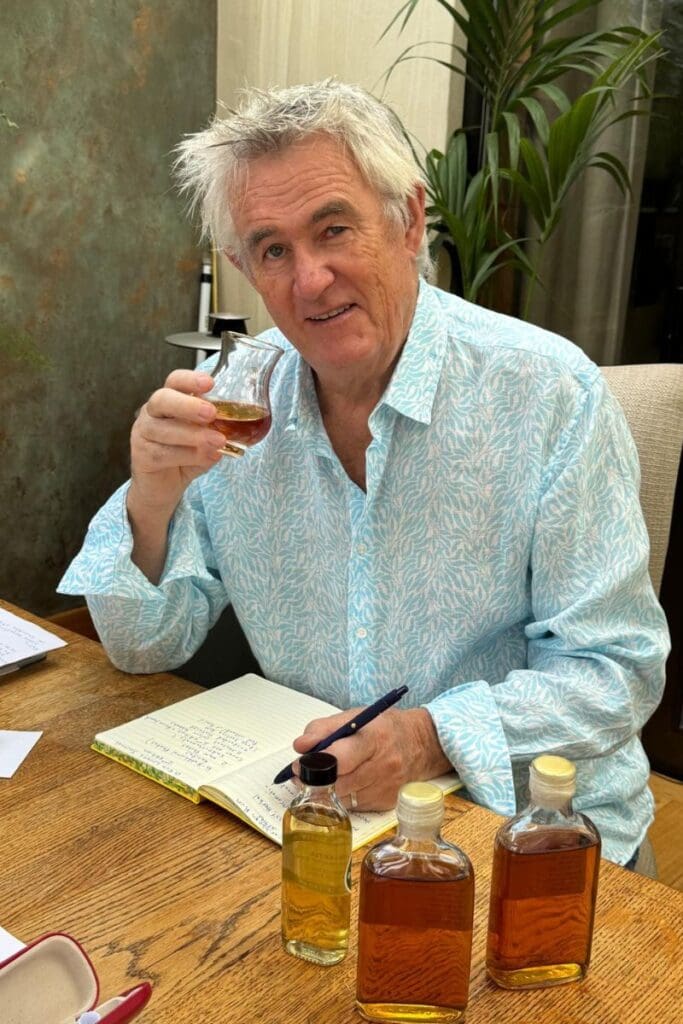
The benefits of taking notes during a rum tasting certainly come into play. Regularly writing down your impressions trains your senses to detect subtle differences in flavour, and it will also help with memory retention, reminding you of the rums you enjoyed and the rums you disliked.
It also forces one to define what one is smelling and tasting. At the same time, you may wish to record the appearance, aroma, palate, and finish, maybe compounded with the production method and the origin, in helping to better understand its profile.
Reflection on your Rum
Every single rum has a story to its journey rooted in its terroir, its origin and the region and country it hales from. It involves analysing the sensory experience, content and personal preferences, taking into consideration the methods used, the ageing and the process, and of course its finished flavour profile.
The tasting of Caribbean rum involves exploring a vast arsenal of styles that are influenced by geography, the raw materials and production methods. The Caribbean is diverse, and rums are often grouped by their colonial history, which dictates their flavour profile.
“Rum is the answer. Who Cares What the question is”
Ready to Put Tasting Rum Into Practice
If you’ve read this and thought, right, I want to actually do a proper tasting, start with one rum and learn it well. Taste it neat, open it with a few drops of water, then test it in your favourite cocktail and compare the results in your notes.
Begin your journey with The Original Rum Bum No 1 Blend Signature Rum. I created this premium rum blend from my years living and working in the Caribbean, and from a lifetime spent around flavour and hospitality. It is made to be enjoyed slowly and tasted properly, yet it is equally at home in a well-made Rum Bum cocktail, where it brings balance, depth and character without losing its originality. Let me know how you got on with your rum tasting over on Instagram, or drop me a message, I am always happy to chat all things rum! Cheers!


