


A Rum Lover’s Guide to Caribbean Rum: Styles, Flavours and How to Choose a Bottle


Rum lovers, welcome to this Caribbean rum guide! Caribbean rum is, without question, the Spirit of the Caribbean. Long before The Original Rum Bum was founded, I discovered that spirit first-hand, as a young chef travelling across the islands, drinking with the locals and learning what rum truly means in everyday life, and all with my toes in the sand.
In this guide, we’ll explore the main Caribbean rum styles, the flavours to expect, and how to choose the right bottle for sipping or mixology. Made from the sugarcane plant, Caribbean rum is the nectar of the West Indies, rich with flavour, depth and character that changes beautifully from island to island. Cheers, fellow Rum Bums!
Why is rum called the Spirit of the Caribbean
Rum belongs to the Caribbean, no question. It carries the rhythm of island life, the history of sugarcane, and the warmth of tropical ageing. It sits at the heart of celebrations, storytelling, hospitality, and everyday moments. It’s not simply a spirit that comes from the Caribbean. It is one that represents it.
What makes a good Caribbean rum?
A great Caribbean rum often comes down to terroir, just like wine. That means the combination of environment and tradition that shapes what ends up in your glass. Weather patterns, soil types, yeast varieties, sugarcane species, and local production methods all leave their mark on this fine, fine drink.
Then there’s tropical ageing, where time moves differently. The heat and humidity deepen flavour, soften edges, and create a wide range of expressions, from crisp white rums right through to beautifully aged bottles full of oak complexity.
Caribbean rum styles: the three classic families
Caribbean rum is wonderfully diverse, but its production often falls into three clear styles.
English-style rum
These rums are typically molasses-based and often made using pot stills. The result is rich, full-bodied rum with depth, complexity, and at times that unmistakable “funky” character. Think Jamaica, Trinidad, Barbados, and Guyana, delicious!
Spanish-style rum
Usually molasses-based, though sometimes made with sugarcane syrup (often called sugarcane honey). Column stills are common here, producing a lighter, cleaner spirit. Puerto Rico, Cuba, and the Dominican Republic are classic origins. It’s also not unusual to see the solera system used for consistency and layered flavour.
French style rum (Rhum Agricole)
These rhums are made from fresh sugarcane juice, not molasses. They bring grassy, earthy, vegetal notes and a freshness that’s quite distinctive. Martinique and Guadeloupe are the names to remember here.
I’ve also shared my experience with rum ageing and blending, along with how rum is made, the basics of rum production, if you’d like to dive a little deeper into how rum gets its flavour and character.
How to choose a Caribbean rum bottle
Choosing a Caribbean rum is a personal adventure. It’s about discovering what suits your palate, and what kind of moment you want the rum to serve.
Start with a simple decision: are you sipping or mixing?
If you’re sipping, you may lean toward bottles with more depth, balance, and character. If you’re mixing, you want a rum with clarity of flavour that still shines through the cocktail.
From there, choose your style. White rum brings crispness and versatility. Golden rums often sit in the middle with warmth and subtle richness. Dark rums typically carry more oak influence and deeper sweetness. Spiced rum offers a different kind of comfort altogether.
Regional influence matters too. Barbados rum often brings smoothness. Jamaican rum can hit with a bold personality. Cuba tends to offer a lighter style. And Agricole from the French West Indies gives you that fresh sugarcane signature.
Age statements can help guide you as well. Older rums often become richer and more complex, though the real magic is in the balance.
Finally, consider the distillation method. Pot stills can add depth and weight. Column stills tend to produce a cleaner profile with higher purity.
How to drink rum: sipping vs mixology
Whenever I drink rum, it has to be a joyous moment. It brings sunshine into my world, whether I’m sipping quietly or building something special in a glass at the cocktail bar.
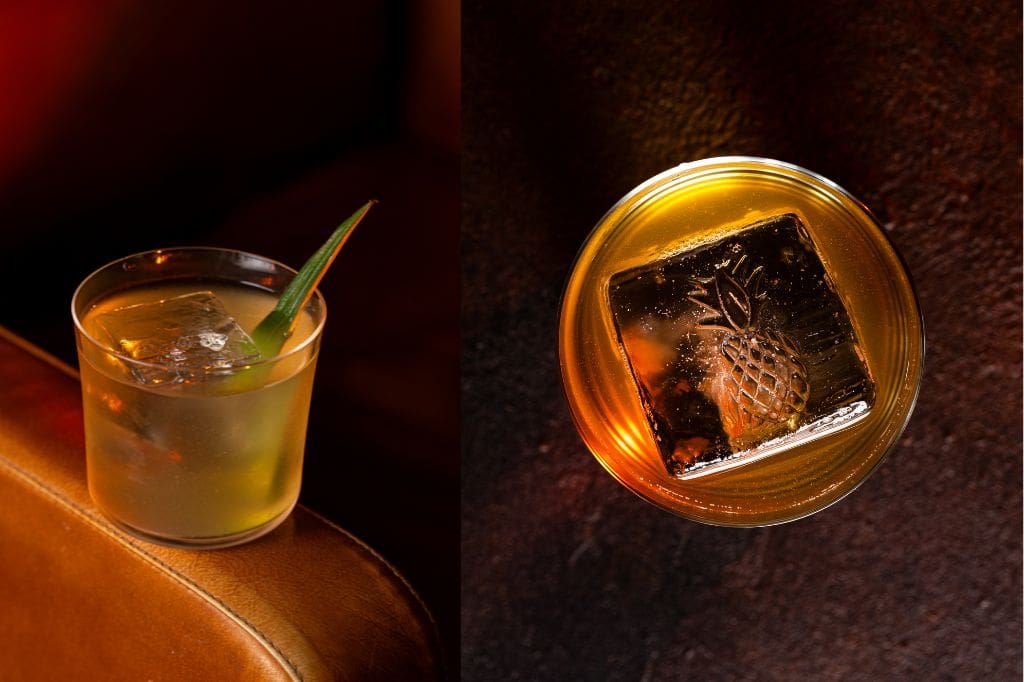
For sipping, I prefer rum at room temperature with no ice. A droplet of water can open it up beautifully. Ice if you wish, though personally I like to let the rum speak for itself. Take your time with it, appreciate the nectar and notice the vanilla, caramel, spice, fruits, and everything that comes and goes as it breathes.
Mixology is a whole world of its own, and rum is at the heart of it. The classics are classics for a reason: the Daiquiri, Mojito, Old Cuban, Dark ’n’ Stormy. They each offer their own taste treat.
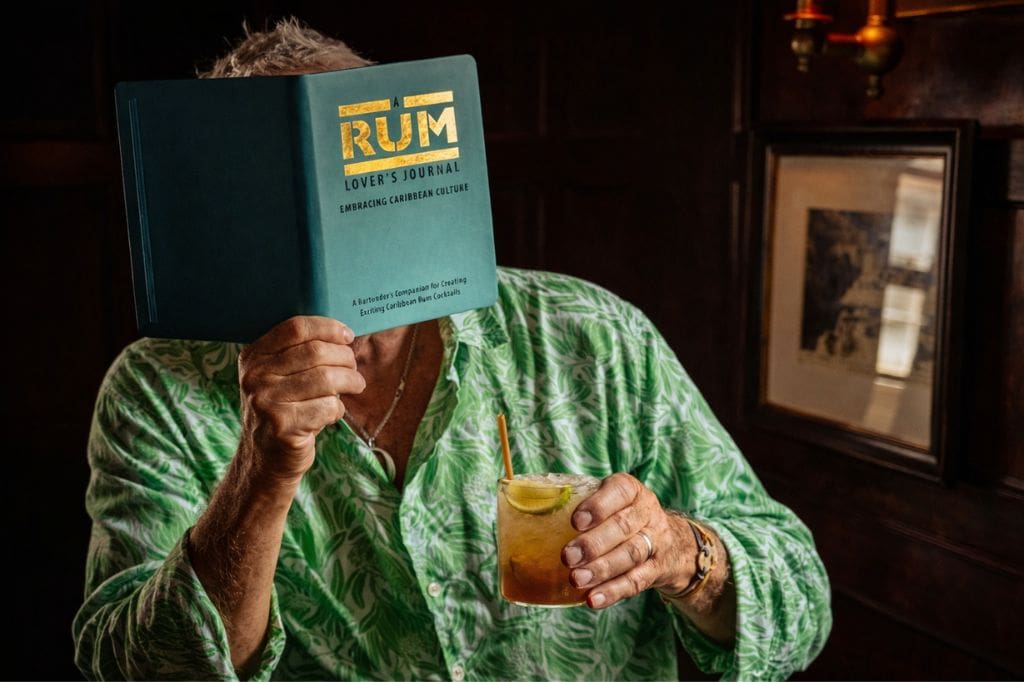
Enjoy them, learn them, then step forward and experiment with your own blends using tropical fruits, juices, spices, bitters, and whatever inspires you. If you need a little inspiration, you can have a look at The Rum Lover’s Journal and discover a whole new level of rum cocktails.
What to look for on a rum label
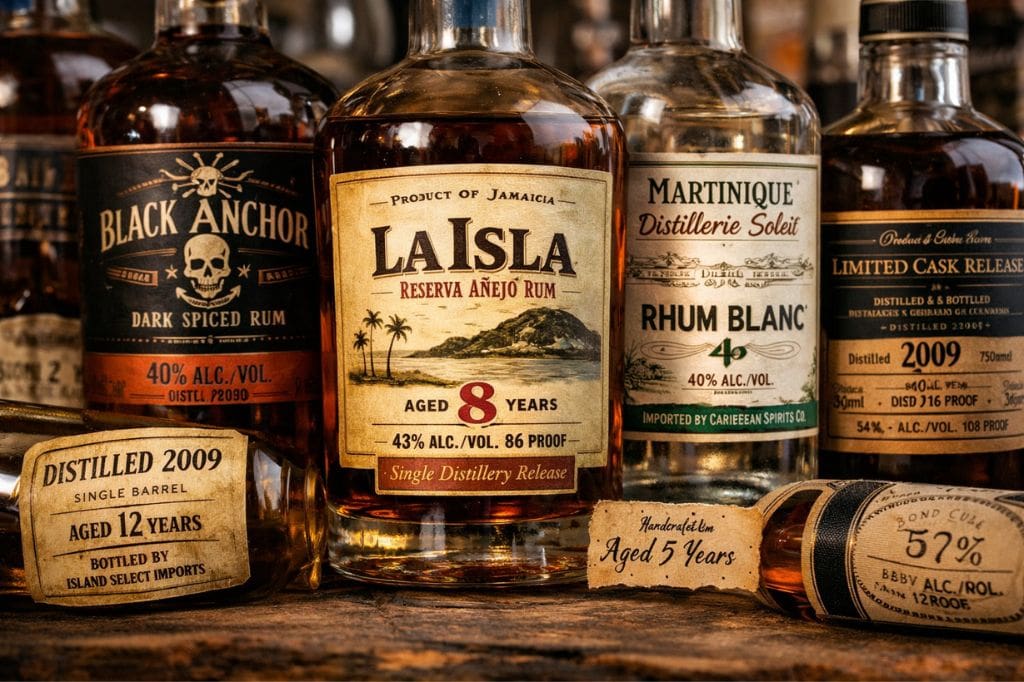
A rum label gives you clues before you even pour a drop. Start with the brand and distillery, then look for the country of origin. The type of rum will usually be clear: white, dark, spiced, and so on.
ABV is important too, as it tells you the strength and often hints at how the rum will behave in a cocktail.
Age statements are worth noticing, not only for time, but for what that ageing might bring to smoothness and flavour. Sometimes you’ll see mention of a single distillery batch, which can suggest something unique from a particular production run.
If it’s imported, the bottler or distributor will often be shown too.
Take a moment to embrace the label. It’s part of the rum’s amazing story.
What separates an average bottle from a great one
An average rum can do a brilliant job where it belongs, especially in cocktails. It’s consistent, reliable, and plays its role well.
A great rum goes a long way. It offers complexity, balance, depth of flavour, and a character that stays with you endlessly. It reflects expert craftsmanship, quality ingredients, and attention to detail through production and ageing. Passion matters, and I know you can taste it when it’s there.
Final thoughts on Caribbean Rum
Caribbean rum is a world worth exploring, and I know from personal experience that the best way to learn is to taste with curiosity and enjoyment. My Instagram account @theoriginalrumbum is where I love to share my favourite tastings from my rum collection, if you’d like to follow along and see it all first-hand.
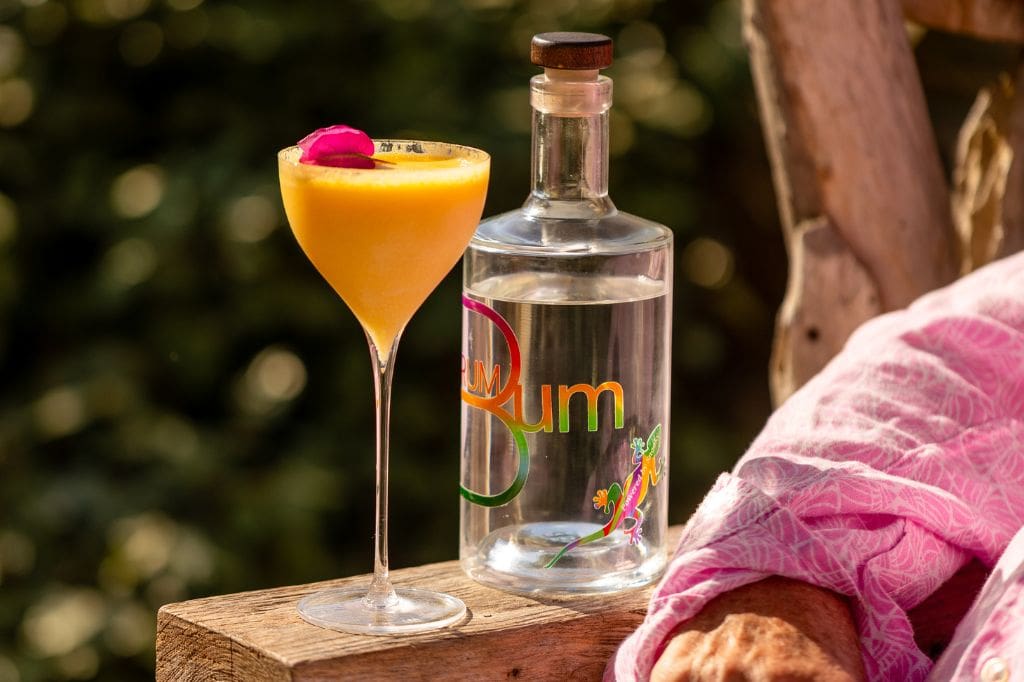
If you’d like to take your next step, explore The Original Rum Bum No.1 Signature Rum, a limited edition bottle of premium white rum, and pair your favourites with our Rum Lover’s Journal so you can track your tasting notes, cocktails, and discoveries as your rum journey grows. Cheers, and enjoy, my fellow Rum Bums! Snooky


